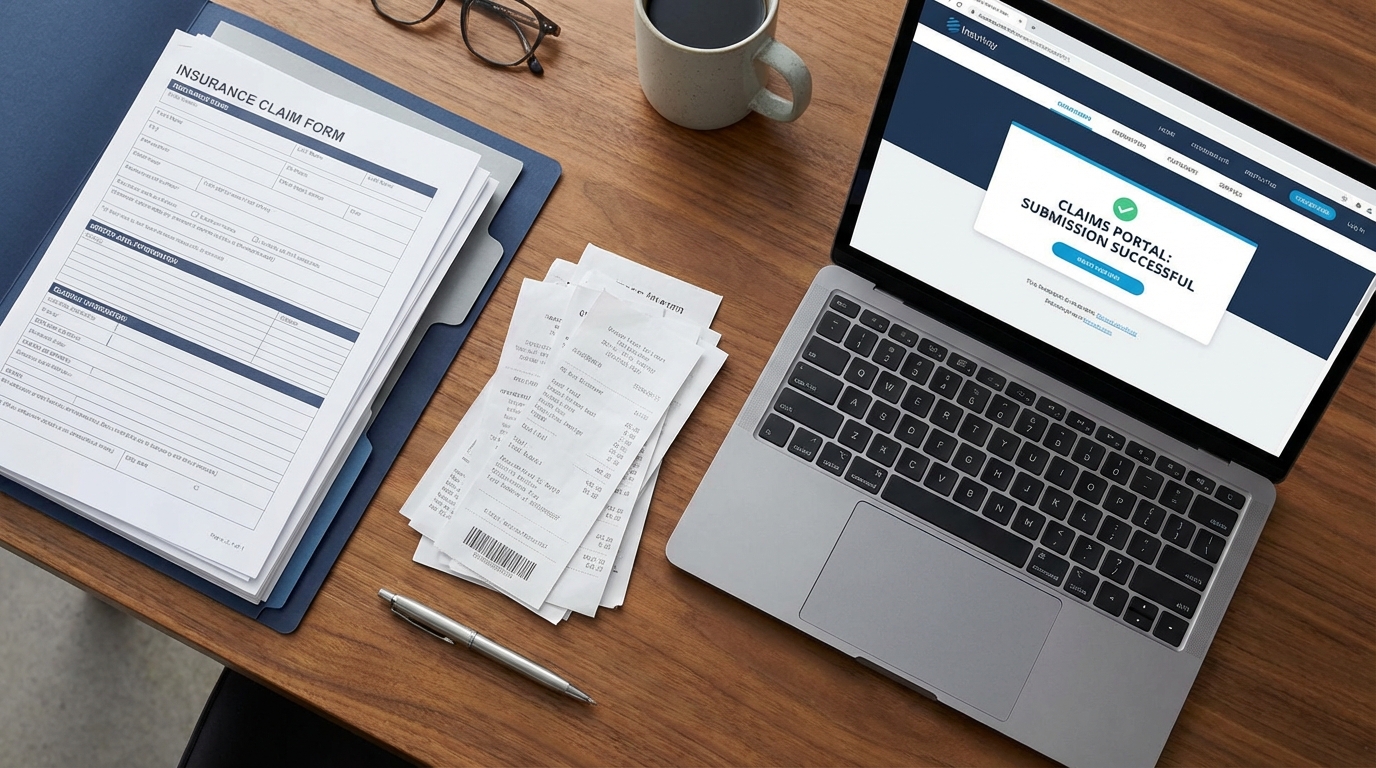
The difference between an approved and denied travel insurance claim often comes down to documentation and process. Knowing how to file a claim properly—before you actually need to—can mean the difference between full reimbursement and an expensive lesson.
This guide walks through the entire claims process, from what to do immediately after an incident to handling appeals if your claim is denied.
This article is part of our complete digital nomad travel insurance guide.
Before You Ever Need to Claim
Documentation Habits to Start Now
Step-by-Step Guide
Immediate Steps After an Incident
For Medical Emergencies
- Seek care first - Your health is priority
- Contact your insurer within 24-48 hours (or have someone do it)
- Call the 24/7 emergency line for hospitalizations - they may arrange direct billing
- Get written documentation from medical providers
- Keep ALL receipts - even small ones
For Theft
- File a police report within 24 hours - Required for all theft claims
- Get the report number and a copy (in English if possible)
- Document the incident - what was taken, when, where, how you discovered it
- Contact your insurer within required timeframe (usually 24-48 hours)
- Don't replace items immediately - insurer may have guidance
For Trip Disruption
- Document the reason - airline communication, weather reports, etc.
- Keep all receipts for additional expenses incurred
- Get written confirmation of disruption cause from carrier
- Contact insurer for guidance on coverage
The Claims Process Step-by-Step
Step 1: Initial Contact
When: Within 24-48 hours of incident (check your policy)
How:
- Emergency line (24/7) for urgent medical
- Online portal for non-emergency claims
- Email for documentation submission
What to provide:
- Policy number
- Date and location of incident
- Brief description of what happened
- Your contact information
Step 2: Gather Documentation
Medical Claims:
- Itemized medical bills (detailed, not summary)
- Medical reports from treating doctors
- Prescriptions and pharmacy receipts
- Proof of payment (if you paid)
- Hospital admission/discharge records
- Diagnostic test results
Theft Claims:
- Police report (required)
- List of stolen items with values
- Proof of ownership (receipts, photos, credit card statements)
- Any witness statements
- Photos of forced entry if applicable
Trip Disruption:
- Airline/carrier communication showing disruption
- Receipts for additional expenses (meals, hotels)
- Original booking confirmations
- Proof of non-refundable payments
Step 3: Submit Your Claim
Most insurers accept:
- Online portal submission (preferred)
- Email with attachments
- Mobile app submission
Tips:
- Submit everything at once if possible
- Use clear file names (e.g., "Medical_Bill_Hospital_01152026.pdf")
- Keep copies of everything submitted
- Note submission date and confirmation number
Step 4: Wait and Follow Up
Typical timelines:
- Simple claims: 5-15 business days
- Complex claims: 15-45 business days
- Claims requiring investigation: 30-90 days
What to do:
- Check status weekly via portal
- Respond promptly to any requests for additional documentation
- Keep records of all communication
- Note names and dates of phone conversations
Step 5: Receive Decision
If approved:
- Review the amount against your claim
- Understand any deductions (deductible, depreciation)
- Choose reimbursement method (direct deposit usually fastest)
- Expect payment within 5-10 business days of approval
If denied:
- Request written explanation of denial reason
- Review against your policy language
- Gather additional documentation if possible
- File appeal if you believe denial is incorrect
Common Claim Denials and How to Avoid Them
Pre-Existing Condition
Denial reason: Incident related to a condition you had before coverage
Prevention:
- Fully disclose medical history during enrollment
- Understand what conditions are excluded
- Choose coverage with pre-existing condition options if relevant
If denied: If you disclosed properly and believe the incident is unrelated, appeal with medical documentation showing the incident is separate from your condition.
Activity Exclusion
Denial reason: Injury occurred during excluded activity
Prevention:
- Check activity coverage BEFORE participating
- Verify specific limits (depth for diving, engine size for scooters)
- Choose policies that cover your planned activities
If denied: Review whether activity was actually excluded. If policy language is ambiguous, cite specific wording in appeal.
Insufficient Documentation
Denial reason: Lack of required documents (often police reports for theft)
Prevention:
- File police reports immediately for theft
- Get itemized bills, not summaries
- Request English translations when possible
- Keep copies of everything
If denied: Gather missing documentation. Many denials for documentation can be overturned by providing what's needed.
Filing Deadline Missed
Denial reason: Claim submitted after deadline (often 30-90 days)
Prevention:
- File promptly, even if documentation isn't complete
- Initial contact establishes timeline; documentation can follow
- Set calendar reminders
If denied: If you have a compelling reason for delay (hospitalization, etc.), explain in appeal. Some flexibility may exist.
No Pre-Authorization
Denial reason: Didn't contact insurer before treatment/evacuation
Prevention:
- Call 24/7 line for any hospitalization
- Get authorization before major expenses
- Only exception: immediate life-threatening emergencies
If denied: If it was truly an emergency where delay would have been harmful, document this in appeal with medical records showing urgency.
Documentation Deep Dive
Medical Bills: What You Need
Ideal documentation:
- Itemized bill showing each service and cost
- Dates of service
- Provider name and address
- Patient name (must match policy)
- Diagnosis codes (ICD-10) if available
Common problems:
- Summary bills without itemization
- Bills in local language without translation
- Missing dates or unclear services
Solutions:
- Request itemized bill specifically (hospitals can provide)
- Ask for English version or get professional translation
- Get clarification letter from provider if unclear
Police Reports: What You Need
Required for:
- Theft claims (always)
- Assault or robbery
- Property damage by third parties
- Traffic accidents
Essential elements:
- Date and time of incident
- Location
- Description of what happened
- List of items taken/damaged
- Officer name and badge number
- Report number
Common problems:
- Report in local language
- Police unwilling to file report
- Report doesn't list all items
Solutions:
- Request English version or certified translation
- Be persistent; you have the right to file a report
- Add items before finalizing if possible
Proof of Ownership
What works:
- Original receipts
- Credit card statements showing purchase
- Photos of items (especially with serial numbers)
- Warranty registration
- Previous insurance schedules
What doesn't work:
- "I had it, trust me"
- Photos clearly taken after the incident
- Handwritten lists without supporting evidence
The Appeals Process
When to Appeal
Appeal if:
- You believe the denial reason is incorrect
- You have additional documentation
- Policy language supports your claim
- Denial reason doesn't match the facts
Don't appeal if:
- The activity was clearly excluded and you knew it
- You clearly missed deadlines with no justification
- You didn't disclose a relevant pre-existing condition
How to Appeal
Step 1: Request formal denial in writing with specific reason
Step 2: Review your policy language carefully
Step 3: Gather additional supporting documentation
Step 4: Write a clear, factual appeal letter:
- State the claim number and original decision
- Explain why you believe the denial is incorrect
- Reference specific policy language supporting your position
- Include new documentation
- Request specific reconsideration
Step 5: Submit via certified mail or email with read receipt
Step 6: Follow up if no response within stated timeframe
Appeal Letter Template
[Date]

[Insurance Company Name]
[Claims Appeal Department]
[Address]

RE: Appeal of Claim Denial - Claim #[NUMBER]
Policy #[NUMBER]

Dear Claims Department,

I am writing to appeal the denial of my claim dated [date],
for [brief description of claim].

The denial letter stated [reason given]. I believe this denial
is incorrect for the following reasons:

[Clearly state each reason with specific policy language]

I have enclosed the following additional documentation to
support my appeal:
- [List documents]

Based on the above, I respectfully request that you reconsider
this claim and process reimbursement of $[amount].

Please contact me at [phone/email] if you need additional
information.

Sincerely,
[Your name]
[Policy number]
[Contact information]

Enclosures: [List]
Tips for Success
During the Incident
- Stay calm and focus on immediate needs first
- Document everything in real-time (photos, notes)
- Get names and contact info of witnesses
- Keep all receipts, even small ones
- Contact insurer as soon as reasonably possible
During Filing
- Be thorough and organized
- Submit complete documentation sets
- Use clear, factual language
- Keep copies of everything
- Track all communications
During Processing
- Respond promptly to requests
- Follow up weekly
- Be polite but persistent
- Escalate if stuck
FAQ
Frequently Asked Questions
Related Guides
- Complete Digital Nomad Travel Insurance Guide
- Travel Insurance for Tech Gear
- Emergency Medical Evacuation Insurance
- Travel Insurance for Pre-Existing Conditions
- SafetyWing vs World Nomads vs Insured Nomads
Successful claims come from preparation and documentation. Know your policy before you need it. Document your belongings before they're stolen. File promptly with complete information. And if denied, don't give up without reviewing whether an appeal is warranted.
The hassle of proper documentation during an incident is nothing compared to the frustration of a denied claim. Invest the time upfront, and your insurance will actually protect you when you need it.