How to Protect Your Tech Gear with Travel Insurance: Digital Nomad Guide
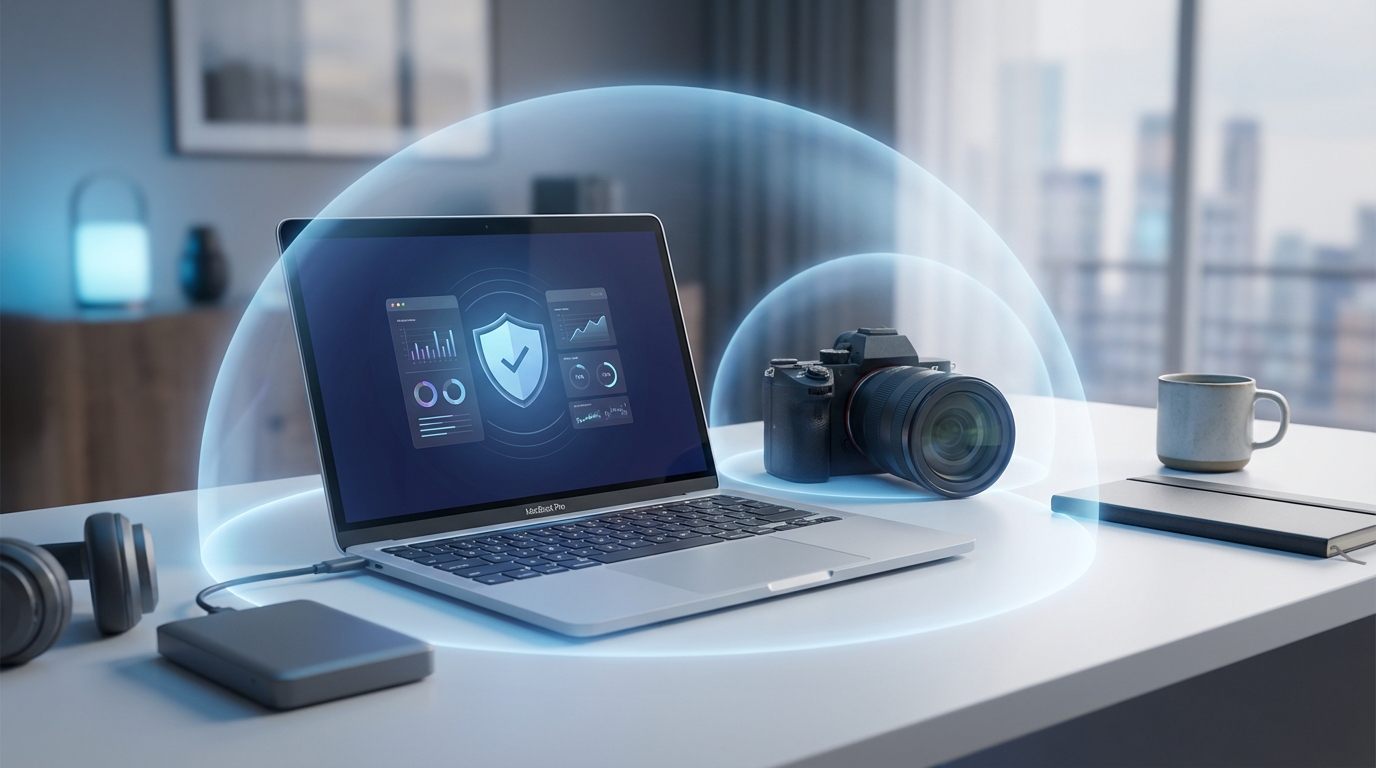
Your laptop isn't just a device—it's your office, your income source, and your connection to clients worldwide. Losing it to theft, damage, or accidents can derail your entire nomad lifestyle.
Most travel insurance provides inadequate gear coverage. Per-item limits often cap at $500-1,500, meaning your $2,000+ MacBook would only be partially covered. This guide explains how to actually protect your tech investments while traveling.
This article is part of our complete digital nomad travel insurance guide.
What Travel Insurance Actually Covers for Gear
Standard Coverage Limits
| Provider | Total Limit | Per Item Limit | Electronics |
|---|---|---|---|
| SafetyWing | $3,000 | $500 | Included |
| World Nomads Standard | $3,000 | $1,000 | Included |
| World Nomads Explorer | $5,000 | $1,500 | Included |
| Insured Nomads | $5,000-10,000 | $1,500-3,000 | Included |
The Per-Item Problem
That $500 per-item limit from SafetyWing means:
| Your Gear | Value | Coverage | Gap |
|---|---|---|---|
| MacBook Pro 14" | $2,000 | $500 | $1,500 |
| iPhone 15 Pro | $1,100 | $500 | $600 |
| Sony A7C Camera | $1,800 | $500 | $1,300 |
| AirPods Pro | $250 | $250 | $0 |
A typical digital nomad carrying $5,000+ in electronics might only see $1,500-2,000 actually covered under budget insurance.
Coverage Types Explained
Theft Coverage
What's covered:
- Forced entry theft (room broken into)
- Pickpocketing with evidence of the event
- Robbery (confrontational theft)
What's NOT covered:
- "Mysterious disappearance" (you can't explain how it was stolen)
- Items left unattended in public
- Theft from unlocked vehicles
- Items left in plain sight in vehicles
Critical requirement: Police report within 24 hours for all theft claims.
Damage Coverage
What's covered:
- Accidental damage during normal use
- Damage during transit
- Impact damage
What's NOT covered:
- Wear and tear
- Pre-existing damage
- Damage from improper packing
- Intentional damage
- Damage from checked luggage (often excluded)
Loss Coverage
What's covered: Generally limited. Most policies cover:
- Lost checked luggage (airline responsible first)
- Items lost due to carrier negligence
What's NOT covered:
- Items you misplaced
- Items left behind
- "Mysterious loss"
Improving Your Gear Coverage
Option 1: Choose Insurance with Better Limits
| If your gear totals... | Consider |
|---|---|
| Under $2,000 | SafetyWing adequate |
| $2,000-$5,000 | World Nomads Explorer or Insured Nomads |
| $5,000-$10,000 | Insured Nomads + supplemental coverage |
| Over $10,000 | Specialized gear insurance essential |
Option 2: Add a Gear Rider to Existing Policy
Some insurers allow adding scheduled items with higher limits:
How it works:
- List specific high-value items
- Provide serial numbers and values
- Pay additional premium
- Get full replacement coverage
Availability: Limited among travel insurers. More common with property insurers.
Option 3: Standalone Tech/Gear Insurance
Dedicated gear insurance provides better coverage:
Safeware
- Covers electronics, cameras, instruments
- Can be worldwide
- $50-200/year depending on value
Worth Ave. Group
- Popular with photographers
- Equipment-specific policies
- Accidental damage covered
USAA (US members)
- Personal property coverage
- Follows you internationally
- Requires USAA membership
Option 4: Credit Card Protection
Premium credit cards often include purchase protection:
| Card | Purchase Protection | Duration |
|---|---|---|
| Chase Sapphire Reserve | $10,000/claim | 120 days |
| Amex Platinum | $10,000/claim | 90 days |
| Capital One Venture X | $10,000/claim | 90 days |
Limitations:
- Only covers purchases made with that card
- Time limits (90-120 days from purchase)
- May exclude phones in some cases
- Primary vs secondary coverage varies
See our credit card travel insurance guide for details.
Option 5: Homeowner's/Renter's Insurance Rider
If you maintain a home base:
How it works:
- Add "scheduled personal property" rider
- Covers items worldwide
- Full replacement value
Considerations:
- Need to maintain home address
- Premium added to existing policy
- May need to prove items were at residence initially
Documentation Requirements
Before You Travel
Step-by-Step Guide
After an Incident
- File police report within 24 hours - Required for theft claims
- Get incident number in writing
- Photograph any damage before repairs
- Keep damaged items until insurer approves disposal
- Don't replace immediately - insurer may want to inspect or direct purchase
Depreciation and Replacement Value
How Depreciation Affects Claims
Most travel insurance uses actual cash value (ACV) not replacement cost:
| Item Age | Depreciation | Example ($2,000 laptop) |
|---|---|---|
| 0-1 year | 0-10% | $1,800-2,000 |
| 1-2 years | 10-30% | $1,400-1,800 |
| 2-3 years | 30-50% | $1,000-1,400 |
| 3+ years | 50%+ | Under $1,000 |
Your 2-year-old MacBook might only be valued at $1,200-1,400 for claims purposes, even if replacement cost is $2,000+.
Getting Replacement Cost Coverage
Options:
- Premium travel insurance (Insured Nomads higher tiers)
- Standalone gear insurance (often offers replacement cost)
- Credit card purchase protection (typically replacement)
- Homeowner's rider (can be replacement cost)
Special Considerations
Cameras and Photography Equipment
Photographers face particular challenges:
Issues:
- High individual item values ($2,000-10,000+ per body)
- Multiple items (bodies, lenses, accessories)
- Professional use may void some coverage
Solutions:
- Worth Ave. Group specifically covers photo gear
- Hill & Usher photo insurance
- TCP (Taylor Company Photography) insurance
- Professional photographer associations often offer group coverage
Content Creator Setups
YouTube/streaming equipment often exceeds travel insurance limits:
Typical setup value:
- Camera: $1,500-3,500
- Lenses: $500-2,000
- Microphone: $200-500
- Lighting: $200-400
- Laptop: $1,500-3,000
- Drone: $1,000-2,500
- Total: $5,000-12,000+
Recommendations:
- Specialized content creator insurance
- Separate business equipment coverage
- Combination of credit card + travel + gear insurance
Drones
Drones have complex insurance needs:
Considerations:
- Many travel policies exclude drones
- Liability coverage separate from theft/damage
- Country regulations may affect coverage
Solutions:
- Verifly (on-demand drone insurance)
- SkyWatch (monthly plans)
- Check if home country drone registration includes coverage
Theft Prevention Best Practices
Insurance is for when prevention fails. Minimize risk:
In Transit
- Carry valuables in carry-on (never checked bags)
- Use TSA-approved locks on bags
- Don't flash expensive gear in airports
- Use inconspicuous bags (don't advertise "expensive camera inside")
In Accommodations
- Use room safe (even if not perfectly secure)
- Never leave gear visible from windows
- Consider portable safe/lockbox for hostels
- Research accommodation security before booking
In Public
- Use cross-body bags or secure backpacks
- Be aware in crowded tourist areas
- Don't leave devices on cafe tables unattended
- Consider AirTags/Tiles for tracking (recovery not replacement)
Digital Security
Even if physical gear is safe:
- Enable Find My / device tracking
- Regular cloud backups
- Remote wipe capability configured
- Strong passwords and 2FA everywhere
FAQ
Frequently Asked Questions
Recommended Coverage Strategy
For most digital nomads, a layered approach works best:
Budget Setup ($3,000-5,000 in gear)
- Travel insurance with best available gear limits (World Nomads Explorer or Insured Nomads)
- Credit card purchase protection for newer items
- Accept some risk for items over limits
Professional Setup ($5,000-10,000+ in gear)
- Travel insurance for medical/evacuation (even if gear limits inadequate)
- Dedicated gear insurance for high-value equipment
- Credit card protection as additional layer
- Consider homeowner's rider if maintaining home base
Content Creator Setup ($10,000+ in gear)
- Professional equipment insurance (specialized providers)
- Business liability coverage if monetizing content
- Travel insurance for medical/emergency
- Multiple layers of redundant coverage
Related Guides
- Complete Digital Nomad Travel Insurance Guide
- SafetyWing vs World Nomads vs Insured Nomads
- Credit Card Travel Insurance Guide
- How to File a Travel Insurance Claim
- Best Portable Monitors for Digital Nomads
- Complete Remote Work Setup Guide
Your tech gear is essential to the nomad lifestyle. Standard travel insurance won't fully protect high-value equipment, but combining policies strategically can close the gaps. Document everything before you need to file a claim, understand your coverage limits, and add specialized insurance if your gear value demands it.
The inconvenience of proper coverage is nothing compared to replacing a $5,000 camera setup out of pocket in a foreign country.
About the Author