Travel Insurance for Adventure Activities and Extreme Sports (2026 Guide)
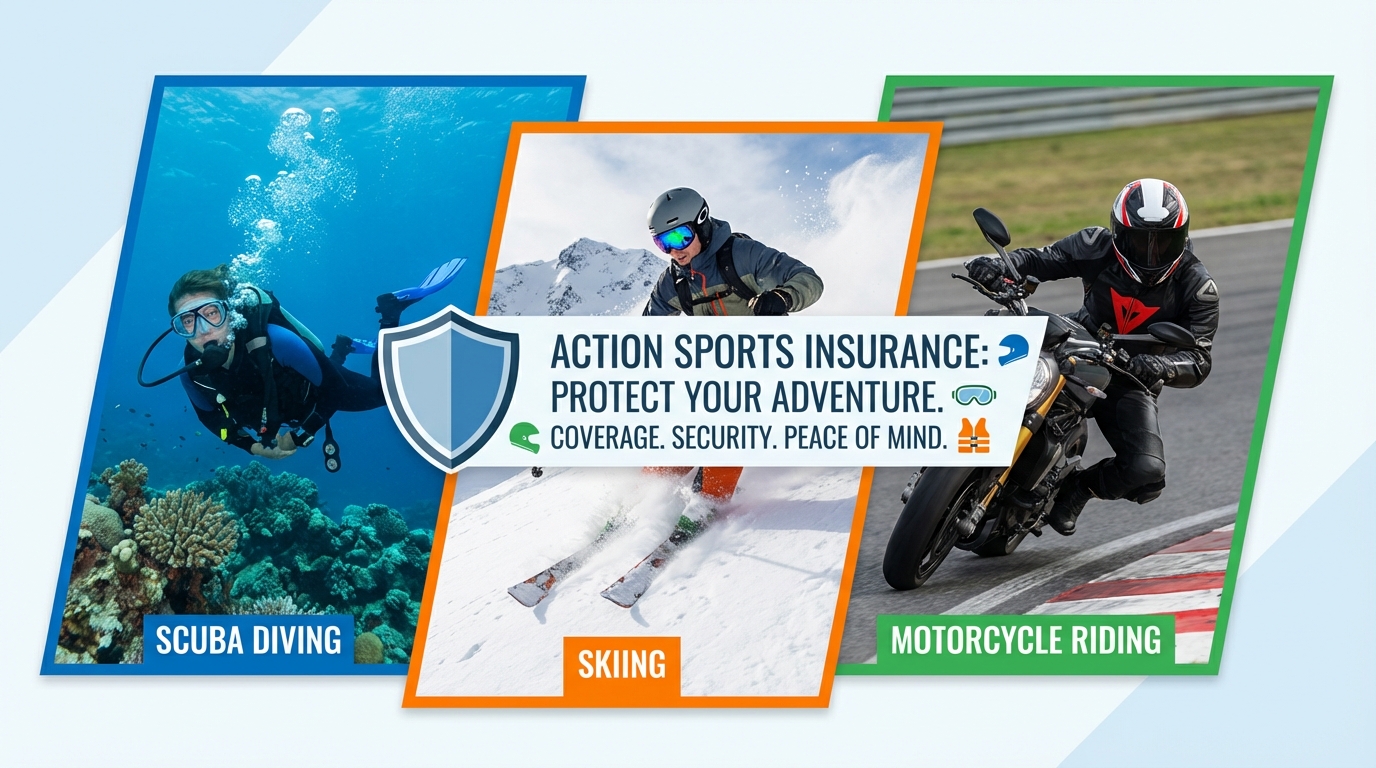

That diving certification in Koh Tao. The motorbike loop in Vietnam. Skiing in Bansko. Adventure activities are often the highlights of nomad life—and the most common source of travel insurance claim denials.
Standard travel insurance excludes dozens of activities that nomads do regularly. Understanding what's covered, what's excluded, and how to get proper protection can mean the difference between a covered claim and a devastating out-of-pocket expense.
This article is part of our complete digital nomad travel insurance guide.
The Activity Exclusion Problem
How Standard Policies Work
Most travel insurance policies use an exclusion-based approach to activities:
- Activities are excluded by default unless specifically mentioned
- "Standard" tourism activities are generally covered
- "Hazardous" or "extreme" activities require add-ons or are excluded entirely
- Professional/competitive activities are almost never covered
Why This Catches Nomads Off-Guard
Things that seem normal to nomads but may void coverage:
| Activity | Nomad Reality | Insurance Reality |
|---|---|---|
| Renting a scooter in Bali | Everyone does it | Often excluded or size-limited |
| Diving beyond 30m | Common for certified divers | Many policies cap at 30m |
| Off-piste skiing | Normal for confident skiers | Frequently excluded |
| Jungle trekking | Popular adventure | May be excluded |
Activity Coverage by Provider
SafetyWing
| Activity | Covered? | Limitations |
|---|---|---|
| Scuba diving | Yes | 30m depth limit |
| Skiing/Snowboarding | Yes | On-piste (marked trails) only |
| Motorcycle/Scooter | Yes | 125cc engine limit; licensed rider |
| Surfing | Yes | Recreational only |
| Hiking/Trekking | Yes | Non-technical, established trails |
| Bungee jumping | No | |
| Paragliding | No | |
| Rock climbing | No | |
| Skydiving | No | |
| Kitesurfing | Limited | Check specific policy |
World Nomads
| Activity | Standard Plan | Explorer Plan |
|---|---|---|
| Scuba diving | 40m limit | No depth limit |
| Skiing/Snowboarding | On and off-piste | On and off-piste |
| Motorcycle/Scooter | 125cc limit | 125cc limit |
| Bungee jumping | Yes | Yes |
| Paragliding | Yes | Yes |
| Rock climbing | Yes | Yes |
| Skydiving | Yes (tandem) | Yes |
| Kitesurfing | Yes | Yes |
| White water rafting | Class I-III | Class I-V |
World Nomads covers 200+ activities automatically—far more than any competitor.
Insured Nomads
| Activity | Covered? | Limitations |
|---|---|---|
| Scuba diving | Yes | 40m depth limit |
| Skiing/Snowboarding | Yes | On and off-piste |
| Motorcycle/Scooter | Yes | Up to 250cc |
| Surfing | Yes | Recreational |
| Bungee jumping | Yes | Commercially operated |
| Paragliding | No | |
| Rock climbing | Basic | Walls and low-altitude outdoor |
| Kitesurfing | Yes |
Activity Categories Explained
Tier 1: Standard Activities (Usually Covered)
These are typically covered by all policies:
- Swimming and snorkeling
- Beach activities
- Hiking on marked trails
- City sightseeing
- Cycling (non-competitive)
- Tennis, golf, recreational sports
- Yoga and fitness activities
Tier 2: Hazardous Activities (Coverage Varies)
Check your specific policy for these:
| Activity | Typical Limitations |
|---|---|
| Scuba diving | Depth limits (30-40m common) |
| Skiing/Snowboarding | On-piste vs off-piste |
| Motorcycle/Scooter | Engine size limits |
| Surfing | Recreational only |
| Horseback riding | Recreational only |
| ATV/Quad riding | Often excluded |
| Jet skiing | Usually covered |
| Sailing | Non-racing |
Tier 3: Extreme Activities (Often Excluded)
These typically require specialized coverage:
- Bungee jumping
- Skydiving
- Paragliding/Hang gliding
- Mountain/Rock climbing
- Mountaineering
- BASE jumping
- Canyoneering
- Ice climbing
Tier 4: Never Covered
Almost no travel insurance covers:
- Professional sports
- Competitive racing
- Stunts or filming for pay
- Activities in professional capacity
- War zone activities
- Search and rescue volunteering
Deep Dive: Common Activities
Scuba Diving
The depth limit matters:
| Provider | Depth Limit | Certification Required? |
|---|---|---|
| SafetyWing | 30 meters | No (but recommended) |
| World Nomads Standard | 40 meters | PADI Open Water or equivalent |
| World Nomads Explorer | No limit | PADI Advanced or equivalent |
| Insured Nomads | 40 meters | Appropriate certification |
Critical considerations:
- Many popular dive sites exceed 30m
- Night diving may have additional restrictions
- Cave/wreck penetration often excluded
- Decompression illness treatment is extremely expensive ($10,000-50,000)
Recommendation: If you dive regularly, World Nomads Explorer's unlimited depth coverage provides peace of mind.
Motorcycle and Scooter Riding
The Southeast Asia problem:
Scooter accidents are one of the most common travel insurance claims—and denials. Here's what you need to know:
| Requirement | Details |
|---|---|
| Engine size | Most policies limit to 125cc |
| License | Valid motorcycle license required |
| Helmet | Must be worn |
| Alcohol | Zero tolerance |
Common issues:
- Many Bali/Thailand rentals are 150cc+ (violates 125cc limit)
- International Driving Permit often required
- Riding without proper license = no coverage
- Rental agreements may conflict with insurance
Recommendations:
- Verify scooter engine size before renting
- Carry valid motorcycle license and IDP
- Always wear a helmet
- Consider Insured Nomads (250cc limit) for larger bikes
Skiing and Snowboarding
On-piste vs Off-piste:
| Coverage Type | What It Means |
|---|---|
| On-piste only | Marked runs, groomed trails only |
| Off-piste included | Backcountry, powder, ungroomed terrain |
SafetyWing only covers on-piste skiing. If you venture off marked trails, you're uninsured.
Additional considerations:
- Avalanche rescue may require separate coverage
- Heliskiing almost always excluded
- Equipment rental damage may not be covered
- Ski patrol evacuation: is it covered?
For serious skiers: World Nomads or Insured Nomads include off-piste coverage.
Water Sports
| Activity | Typical Coverage |
|---|---|
| Surfing | Usually covered (recreational) |
| Kitesurfing/Kiteboarding | Often excluded; World Nomads covers |
| Wakeboarding | Usually covered |
| Jet skiing | Usually covered |
| Parasailing | Usually covered (tandem) |
| White water rafting | Class depends on policy |
| Kayaking/Canoeing | Usually covered (non-whitewater) |
Climbing
Climbing coverage is complex:
| Type | Typical Coverage |
|---|---|
| Indoor climbing walls | Usually covered |
| Outdoor bouldering | May be covered |
| Sport climbing (low altitude) | Varies |
| Trad climbing | Often excluded |
| Mountaineering | Usually excluded |
| Ice climbing | Rarely covered |
Altitude matters: Many policies exclude activities above certain altitudes (4,000-6,000m).
Adding Adventure Coverage
Option 1: Choose Insurance with Better Coverage
If adventure activities are regular parts of your travel:
Best choice: World Nomads
- 200+ activities automatically included
- No add-ons needed for most sports
- Explorer plan for extreme activities
Option 2: Activity-Specific Add-Ons
Some insurers offer activity riders:
- Diving add-ons (extended depth)
- Winter sports packages
- Extreme sports coverage
Availability: Limited with nomad-focused insurers. More common with traditional travel insurers.
Option 3: Activity-Specific Insurance
For serious enthusiasts:
| Activity | Specialized Provider |
|---|---|
| Diving | DAN (Divers Alert Network) |
| Skiing | Specific ski insurance providers |
| Climbing | American Alpine Club, BMC (UK) |
| Motorsports | Specialized motorsport insurers |
DAN Insurance for divers:
- Specifically designed for scuba incidents
- Worldwide coverage
- Covers decompression illness
- ~$40-75/year
What Happens When Coverage Is Denied
Common Denial Scenarios
Scenario 1: Scooter accident in Thailand
- Rented 150cc scooter (policy limit: 125cc)
- $8,000 in medical bills
- Claim denied: activity excluded
Scenario 2: Diving injury at 35m
- Policy has 30m depth limit
- Decompression sickness requiring chamber treatment
- $25,000 bill
- Claim denied: exceeded depth limit
Scenario 3: Off-piste skiing accident
- Policy only covers on-piste
- Skied unmarked powder area
- Broken leg requiring evacuation
- $15,000+ bill
- Claim denied: activity excluded
How to Avoid Denial
- Read your policy exclusions before activities
- Verify specific activity coverage in writing if unclear
- Follow all requirements (license, helmet, depth limits)
- Don't assume "everyone does it" = covered
Rental Equipment Coverage
Adventure activities often involve rental gear. Coverage varies:
| Scenario | Typical Coverage |
|---|---|
| Damage to rental skis | Often excluded |
| Lost rental diving gear | May have limits |
| Rental scooter damage | Rarely covered |
| Rental surfboard | Check policy |
Recommendations:
- Check rental company's own insurance
- Credit card may provide coverage
- Consider activity-specific rental insurance
- Understand your liability before renting
FAQ
Frequently Asked Questions
Adventure Activity Checklist
Before any adventure activity:
- Verify activity is covered by your policy
- Check specific limitations (depth, altitude, engine size)
- Confirm you meet requirements (license, certification)
- Understand rental equipment coverage/liability
- Know emergency contacts and procedures
- Have backup payment method for potential uninsured costs
Related Guides
- Complete Digital Nomad Travel Insurance Guide
- SafetyWing vs World Nomads vs Insured Nomads
- Emergency Medical Evacuation Insurance
- How to File a Travel Insurance Claim
- Travel Insurance by Region
Adventure activities make nomad life exciting—but they're also where insurance matters most. A diving injury, skiing accident, or scooter crash can result in medical bills exceeding your annual income. Don't assume you're covered; verify before you participate.
For adventure-focused nomads, World Nomads' comprehensive activity coverage justifies its premium over budget options. The extra cost is trivial compared to an uninsured claim.
About the Author