Bansko Digital Nomad Guide: Europe's Budget Mountain Hub
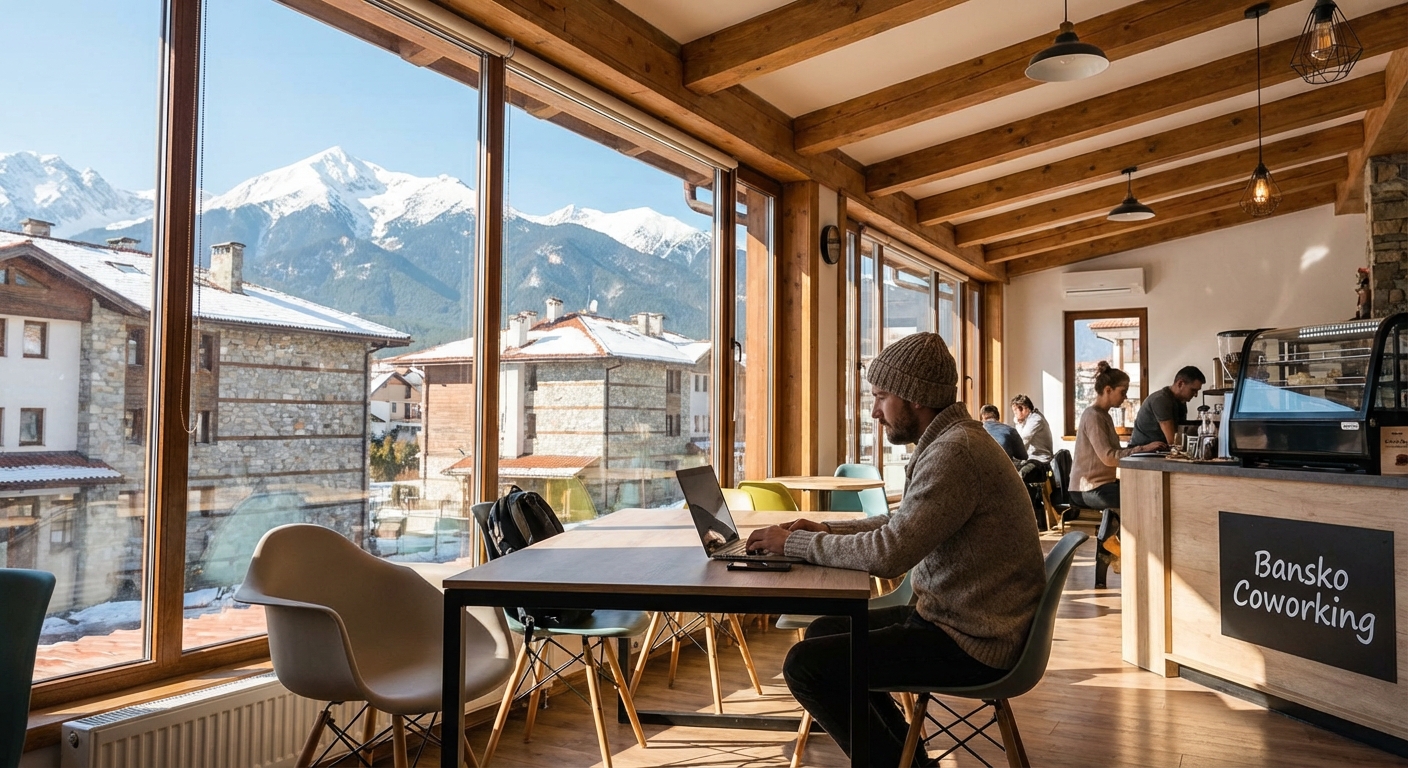

Bansko represents the ultimate European budget hack: EU membership, Schengen access, fiber internet, and an established nomad community—all at prices that rival Southeast Asia. This small Bulgarian ski town has emerged as one of the most cost-effective ways to base yourself in Europe while maintaining productive remote work.
The math is striking: a comfortable lifestyle in Bansko runs $800-1,200 monthly, including a furnished apartment, coworking membership, regular restaurant meals, and margin for the skiing or hiking that makes this destination distinctive. Compare that to Lisbon at $2,100+ or Barcelona at $2,500+, and Bansko's position as Europe's budget option becomes clear.
But Bansko isn't just about cost savings. The tight-knit nomad community centered around Coworking Bansko creates genuine social connection. The mountain setting offers outdoor lifestyle—skiing in winter, hiking in summer—that most urban nomad destinations lack. And the Bulgarian warmth (both cultural and culinary) adds character that transcends mere affordability.
Bansko at a Glance
In this guide:
- Why Bansko for Digital Nomads
- Cost of Living Breakdown
- The Coworking Bansko Community
- Accommodation and Living
- Internet and Connectivity
- Visa and Legal Considerations
- Lifestyle and Activities
- Practical Considerations
- When to Visit
For the complete global overview, see our best digital nomad destinations 2026 guide.
Why Bansko for Digital Nomads
Bansko's appeal stems from a specific combination of factors that create unusual value for European-focused nomads.
EU Access at Asian Prices
Bulgaria joined the European Union in 2007. This means EU-standard regulations, freedom of movement for EU citizens, and infrastructure that meets European expectations. Yet prices remain dramatically lower than Western or even most Eastern European alternatives.
The practical implication: you can base yourself in the EU—with all the legal, banking, and travel advantages that provides—at costs comparable to Southeast Asian destinations. For nomads who need or want European presence, this is significant.
Full Schengen Access
Schengen Status Update
Bulgaria became a full Schengen member on January 1, 2025, with land border controls lifted. This means time in Bulgaria now counts toward your 90/180 Schengen limit like any other Schengen country.
What this means: Bulgaria now operates under standard Schengen rules. Non-EU citizens can stay 90 days within any 180-day rolling period across the entire Schengen area (including Bulgaria). The previous strategy of using Bulgaria time separately from Schengen time no longer applies.
Official source: European Commission Schengen Area
Fiber Internet Excellence
Bansko has invested heavily in internet infrastructure to support its nomad community. Fiber connections delivering 100+ Mbps are standard. Coworking Bansko maintains business-grade connectivity. For a small town, the internet reliability rivals or exceeds major European cities.
Mountain Lifestyle
Unlike purely urban nomad destinations, Bansko offers outdoor lifestyle as a core feature. Winter brings skiing on Pirin Mountain. Summer offers hiking, mountain biking, and alpine scenery. The combination of productive work and outdoor adventure attracts nomads seeking more than cafe-to-apartment routines.
Concentrated Community
Bansko's nomad community is smaller than Chiang Mai or Bali but remarkably tight-knit. Coworking Bansko serves as the hub, with regular events, social gatherings, and genuine community rather than transient tourist passing. The small-town scale means you'll quickly know most active community members.
Cost of Living Breakdown
Here's what a comfortable digital nomad lifestyle actually costs in Bansko:
| Category | Budget | Average | Comfortable |
|---|---|---|---|
| Accommodation | $200-350 | $400-550 | $600-900 |
| Food | $150-200 | $250-350 | $400-500 |
| Coworking | $80-100 | $100-130 | $130-180 |
| Transport | $20-40 | $40-60 | $80-120 |
| Entertainment | $50-80 | $100-150 | $200-300 |
| Utilities/Phone | $40-60 | $60-80 | $80-100 |
| Monthly Total | $540-830 | $950-1,320 | $1,490-2,100 |
Accommodation Notes
Bansko has abundant apartment stock due to ski tourism development. This creates supply that keeps prices low. Budget gets you a decent studio. Average secures a modern one-bedroom with good amenities. Comfortable means a larger apartment with premium finishes and mountain views.
Seasonal pricing: Winter (December-March) sees higher demand and prices. Summer and shoulder seasons offer the best value.
Long-term discounts: Landlords often negotiate significantly for 3+ month stays. Monthly rates can drop 30-40% from weekly tourist pricing.
Food Notes
Bulgarian cuisine is hearty and affordable. Shopska salata, grilled meats, and traditional dishes dominate menus at low prices. Local restaurants serve full meals for $5-8. Even nicer restaurants rarely exceed $15-20 per person.
Cooking at home is easy and affordable—supermarkets and local markets provide good options. The value case for eating out remains strong given low restaurant prices.
The Coworking Bansko Community
Community First
Coworking Bansko is more than a workspace—it's the social center of Bansko's nomad community. Membership provides social infrastructure beyond just workspace, including weekly events, group activities, and genuine community connection. For first-time visitors, this is the key to unlocking the Bansko experience.
The Space
Multiple floors of workspace in a central location. Fiber internet. Meeting rooms. Phone booths for calls. The facilities are professional and well-maintained.
Monthly membership: Around €95-110 ($100-130) for full access Day passes: Available for shorter stays Coliving options: Connected apartments for those wanting full community immersion
The Community
What distinguishes Coworking Bansko is the community programming:
- Weekly events: Social gatherings, skill shares, community dinners
- Seasonal activities: Ski trips, hiking groups, mountain excursions
- Professional networking: Connections with other remote workers and entrepreneurs
- Onboarding support: Help for newcomers navigating the town
The community is notably welcoming to newcomers. The small scale means integration happens quickly—within a week or two, you'll know faces and have social connections.
Typical Members
The community tends toward:
- Tech workers and developers
- Freelancers and consultants
- Entrepreneurs and startup founders
- Creative professionals
- Those seeking outdoor lifestyle + remote work
The vibe is collaborative rather than competitive, with genuine interest in others' work and projects.
Accommodation and Living
Finding housing in Bansko is straightforward with some local knowledge.
Finding Apartments
Facebook groups: The primary channel for direct landlord connections. "Bansko Digital Nomads" and related groups post regular listings.
Coworking Bansko recommendations: The community has vetted landlords and can point newcomers to good options.
Airbnb: Available but typically 20-40% more expensive than direct rentals for monthly stays.
Local agencies: Several property management companies handle nomad-friendly rentals.
What to Expect
Standard amenities: Furnished apartments with kitchen, heating, WiFi, and basic appliances are standard.
Heating: Winter heating is essential. Verify heating method and costs before renting—some apartments have expensive electric heating.
Location: Walking distance to Coworking Bansko is ideal. The town is small, so most locations are reasonably accessible.
Coliving Options
Coworking Bansko offers connected coliving apartments for those wanting maximum community integration. This option works well for newcomers wanting immediate social connection.
Internet and Connectivity
Bansko's internet infrastructure is excellent for a small town.
Fiber Availability
Fiber connections are widely available in central Bansko. Speeds of 100-300 Mbps are standard in quality apartments. Verify the specific unit's connection before renting.
Main providers: A1, Vivacom, and local providers offer fiber service.
Coworking Connectivity
Coworking Bansko maintains business-grade fiber with redundancy. Internet reliability is excellent—better than many apartments. For those with demanding connectivity needs, coworking membership provides insurance.
Mobile Data
Bulgarian mobile data is affordable. A1, Telenor, and Vivacom offer prepaid SIMs with good data allowances for €10-20 monthly.
For connectivity setup, see our WiFi and connectivity guide and best eSIM for Europe.
Visa and Legal Considerations
Bulgaria offers standard EU visa arrangements.
EU/EEA Citizens
Full freedom of movement. No visa required. Can live and work without restrictions.
Non-EU Citizens (US, Canada, UK, Australia, etc.)
90 days within any 180-day period for visa-free entry. Since Bulgaria became a full Schengen member in January 2025, standard Schengen rules now apply.
Important: Time in Bulgaria now counts toward your 90/180 Schengen limit like any other Schengen country. The previous strategy of using Bulgaria time separately no longer works.
Official sources: Bulgarian Ministry of Foreign Affairs | EU Schengen Area
Longer Stays
For stays beyond 90 days, options include:
- Type D visa: Long-stay visa for various purposes
- Freelancer registration: Some nomads register as Bulgarian freelancers for legal work status
- Residency permit: For extended stays with proper documentation
The community at Coworking Bansko has experience with these processes and can provide guidance.
Lifestyle and Activities
Bansko's outdoor lifestyle distinguishes it from urban nomad destinations.
Winter: Skiing
Bansko's ski resort offers:
- 75+ km of ski runs
- Modern lift system
- Affordable lift passes ($30-40/day, season passes available)
- Night skiing options
- Ski rental readily available
The skiing is good for intermediate levels, with some challenging terrain. Access is easy—the gondola station is in town. Many nomads structure winter schedules around morning work and afternoon skiing.
Summer: Hiking and Nature
Pirin National Park (UNESCO World Heritage) provides:
- Extensive hiking trail network
- Alpine lakes and mountain scenery
- Multi-day trekking options
- Mountain biking trails
- Rock climbing areas
Summer transforms Bansko from ski town to mountain adventure base. The same gondola that accesses slopes provides hiking access.
Year-Round
- Hot springs: Thermal baths in the region
- Day trips: Rila Monastery, Plovdiv, Sofia accessible
- Local culture: Traditional mehana (tavern) dining, folk events
- Fitness: Gyms and yoga studios available
Social Scene
The nomad community creates social infrastructure beyond workspace:
- Coworking events and gatherings
- Group activities (ski trips, hikes, dinners)
- Informal meetups at local spots
- Seasonal celebrations
The scene is active but manageable—smaller than major hubs, with less transience and more genuine connection.
Practical Considerations
Language
Bulgarian uses Cyrillic alphabet and isn't related to major European language families. English proficiency is reasonable in tourist areas and among younger people, but limited in daily life.
Learning Cyrillic alphabet (straightforward) and basic Bulgarian phrases improves interactions. Google Translate handles most situations.
Weather
Winter (December-March): Cold and snowy. Temperatures around 25-40°F (-4 to 4°C). Heavy snowfall enables skiing.
Spring (April-May): Transitional. Snow melts, hiking season begins.
Summer (June-August): Warm and pleasant. 70-85°F (21-29°C). Peak hiking season.
Fall (September-November): Beautiful colors, cooling temperatures. Shoulder season value.
Healthcare
Medical facilities in Bansko are basic—adequate for routine care but limited for serious conditions. Sofia (3 hours) has better hospitals. Travel insurance with evacuation coverage is essential.
Pharmacies are well-stocked. Basic medications are affordable and available.
Getting There
Sofia Airport: 3 hours by car/bus. The primary entry point.
Shuttle services: Regular shuttles between Sofia and Bansko.
Car rental: Useful for exploring the region, though not necessary in town.
Small Town Realities
Bansko is a small town. This means:
- Limited dining options compared to cities
- Fewer entertainment and nightlife choices
- Everyone knows everyone
- Some may find it too quiet after initial novelty
- Sofia trips (3 hours each way) needed for some services
The small scale is a feature for some, a bug for others. Know your preferences before committing to extended stays.
When to Visit
Timing significantly affects the Bansko experience.
Winter Season (December-March)
Peak season. Skiing is the draw. Higher prices and more activity. The nomad community is most active, with ski-focused social events. Cold weather means staying warm matters.
Best for: Skiers, those seeking active winter community
Summer Season (June-August)
Hiking season. Pleasant weather, beautiful mountains, lower prices. Community is smaller but active. Outdoor activities dominate.
Best for: Hikers, those seeking value, outdoor enthusiasts
Shoulder Seasons
April-May and September-November offer the best value. Fewer tourists, lower prices, pleasant weather (varies by month). Community is present but smaller.
Best for: Budget-focused nomads, those seeking quiet productivity
Timing Recommendations
First-timers: Consider winter for the fullest community experience and skiing, or summer for hiking and value.
Budget priority: Shoulder seasons offer significant savings on accommodation.
Avoid: Late November and April can be "mud season"—snow melted but not yet summer conditions.
Your Next Steps
Bansko offers something genuinely unusual: European Union access at developing-world prices, combined with outdoor lifestyle and tight community. For nomads seeking Europe on a budget, it's difficult to match.
If you're considering Bansko:
-
Join Coworking Bansko - The community is the experience. Membership provides social infrastructure beyond just workspace.
-
Consider seasonal timing - Winter for skiing and active community, summer for hiking and value, shoulder seasons for budget.
-
Plan for heating - In winter, verify apartment heating before renting. Cost and effectiveness vary significantly.
-
Embrace small-town pace - Bansko isn't urban. If you need city energy, this isn't your destination.
-
Use the community - The existing nomad community has solved most problems. Ask for recommendations on housing, services, and activities.
For related budget options, see our best budget digital nomad destinations and Tbilisi digital nomad guide.
For European alternatives, explore our Europe digital nomad destinations guide.
For the complete global overview, return to our best digital nomad destinations 2026 guide.
About the Author