Tbilisi Digital Nomad Guide: Eastern Europe's Hidden Gem
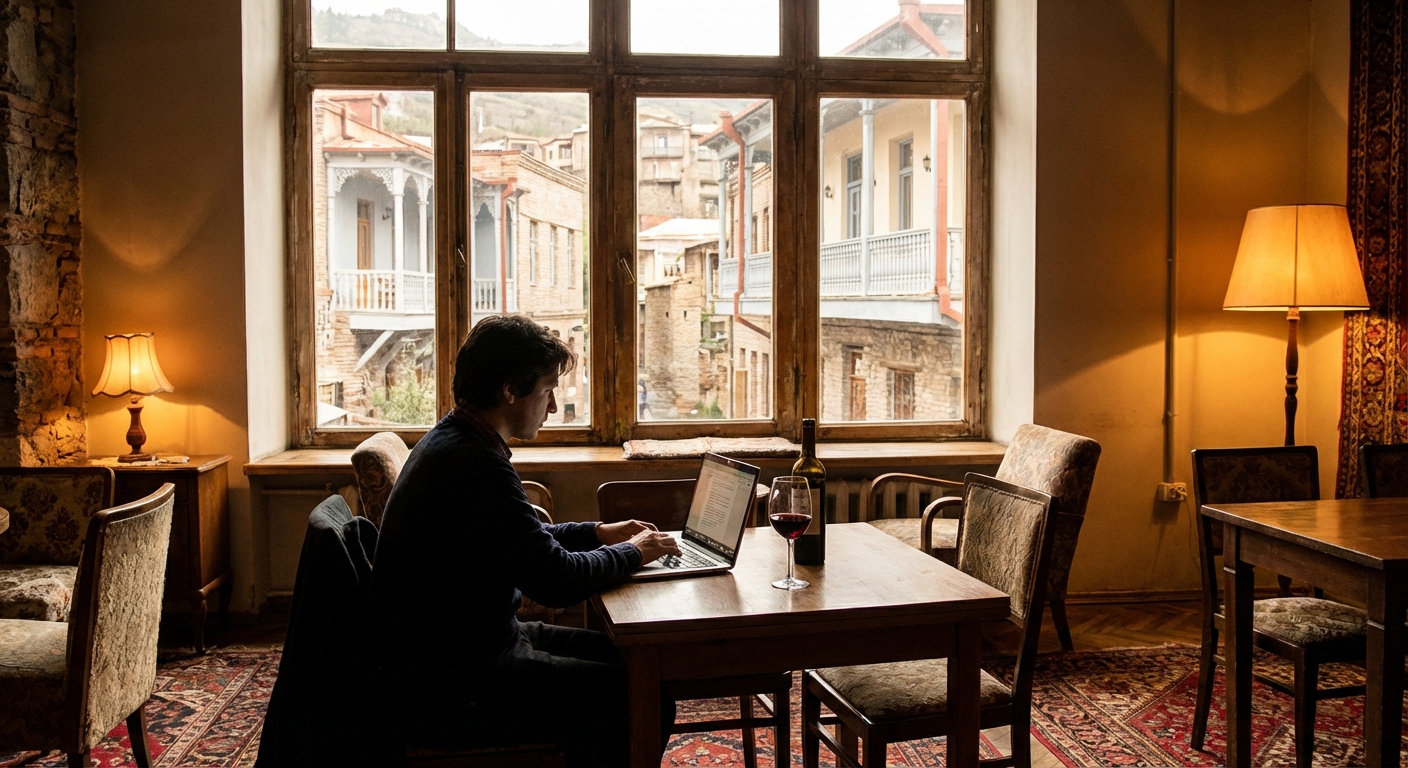

Tbilisi offers something genuinely rare: a full year of visa-free stay for citizens of 95+ countries, combined with European-adjacent culture at developing-world prices. Georgia's capital has emerged as one of the digital nomad world's best-kept secrets—though that secret is spreading quickly as word gets out about the exceptional value proposition.
The math is compelling: a comfortable lifestyle in Tbilisi runs $1,000-1,500 monthly, including a modern apartment, regular restaurant meals, and enough margin for enjoying one of the world's great undiscovered food and wine cultures. For nomads seeking stability without visa stress, the ability to legally stay 365 days changes the equation entirely.
But Tbilisi isn't just about cost savings and visa convenience. This is a city where 8,000 years of wine tradition meets Soviet-era architecture meets emerging tech culture. The food rivals any European capital. The nightlife has genuine edge. And the warm Georgian hospitality creates connections that feel qualitatively different from more transactional nomad destinations.
Tbilisi at a Glance
In this guide:
- Why Tbilisi for Digital Nomads
- Cost of Living Breakdown
- Best Neighborhoods
- Coworking Spaces
- Internet and Connectivity
- Visa and Legal Considerations
- Food and Wine Culture
- Practical Considerations
- When to Visit
For the complete global overview, see our best digital nomad destinations 2026 guide.
Why Tbilisi for Digital Nomads
Tbilisi's appeal combines several factors that create unusual value for location-independent workers.
The Visa Advantage
365 Days Visa-Free
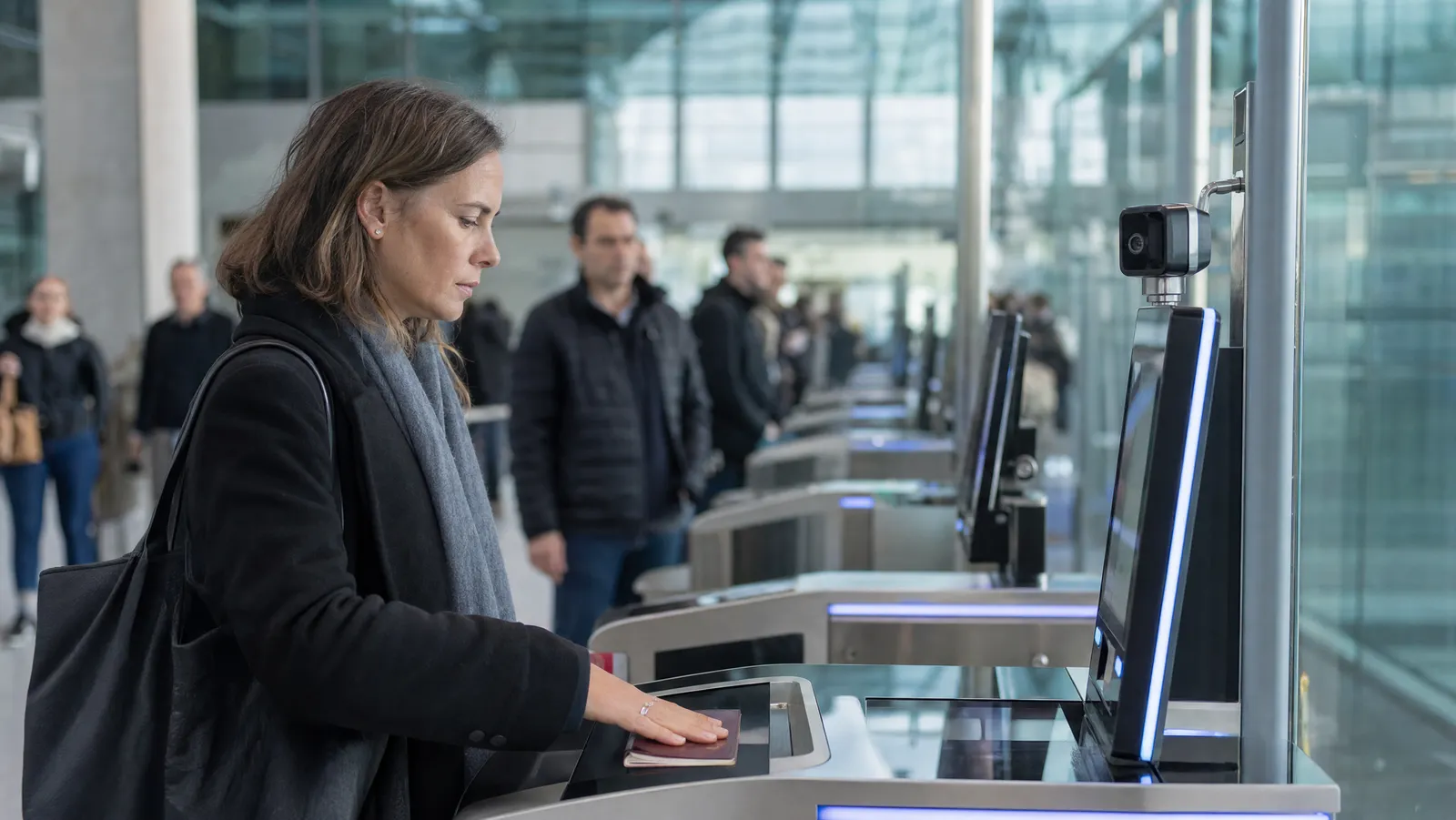
Georgia offers 365 days visa-free for citizens of 95+ countries, including the US, Canada, EU, UK, and Australia. No applications, no extensions, no visa runs—just a full year of legal stay with a simple passport stamp on arrival.
This changes the calculation entirely. Instead of planning around 90-day limits and border runs, you can settle in for a genuine year-long stay. The mental overhead of visa management disappears. You can focus on work and life rather than immigration logistics.
Value Without Compromise
Tbilisi delivers quality at prices that seem impossible by Western standards. Modern apartments with good finishes. Restaurants serving genuine cuisine (not budget approximations). Wine that rivals European vineyards at a fraction of the cost. The value isn't about accepting less—it's about getting more for the same money.
A lifestyle that might cost $3,000-4,000 monthly in a mid-tier European city runs $1,000-1,500 in Tbilisi. That's not survival-mode budgeting—that's comfortable living with margin for enjoyment.
Cultural Depth
Georgia sits at the crossroads of Europe and Asia, with cultural influences from both. The result is something genuinely distinctive: ancient churches and Soviet architecture, traditional wine-making and emerging tech scene, warm hospitality and independent spirit.
Tbilisi isn't a purpose-built expat enclave. It's a real city with layers of history, authentic cultural traditions, and daily life that operates independent of tourism. Living here means participating in something genuine rather than observing a curated experience.
European-Adjacent Standards
While Georgia isn't in the EU, Tbilisi offers infrastructure that feels European: reliable power, clean water, functioning healthcare, modern banking (with some limitations). The gap between Western expectations and local reality is smaller here than in many budget destinations.
Cost of Living Breakdown
Here's what a comfortable digital nomad lifestyle actually costs in Tbilisi:
| Category | Budget | Average | Comfortable |
|---|---|---|---|
| Accommodation | $300-450 | $500-700 | $800-1,200 |
| Food | $200-300 | $350-450 | $500-700 |
| Coworking | $50-80 | $100-150 | $150-200 |
| Transport | $30-50 | $50-80 | $80-120 |
| Entertainment | $50-100 | $100-200 | $250-400 |
| Utilities/Phone | $40-60 | $60-80 | $80-100 |
| Monthly Total | $670-1,040 | $1,160-1,660 | $1,860-2,720 |
Accommodation Notes
The range reflects genuine options. Budget gets you a decent studio in a slightly less central location. Average secures a modern one-bedroom in desirable neighborhoods like Vera or Vake. Comfortable means a larger apartment with premium finishes in prime locations.
Furnished apartments are standard. Monthly rentals through local platforms typically beat Airbnb on price for stays beyond a few weeks. Facebook groups and local real estate sites (ss.ge, myhome.ge) offer direct landlord connections.
For comprehensive strategies on finding, negotiating, and securing accommodation, see our Complete Digital Nomad Accommodation Guide.
Food Notes
Georgian cuisine is one of the world's great undiscovered culinary traditions—and it's remarkably affordable. Khachapuri (cheese bread) runs $2-4. Khinkali (dumplings) cost $0.30-0.50 each. Full restaurant meals at local spots stay under $10. Even upscale Georgian restaurants rarely exceed $25-30 per person.
Wine is exceptionally affordable. Quality Georgian wines start at $3-5 per bottle in shops; restaurant markups remain reasonable.
Best Neighborhoods
Tbilisi's neighborhoods offer distinct experiences at different price points.
Vera
Vera delivers the best balance for most nomads: central location, walkable streets, excellent cafes, and a mix of locals and internationals. The neighborhood has gentrified without losing character.
Pros:
- Central location, walkable to Old Town
- Excellent cafe and restaurant scene
- Good mix of locals and internationals
- Charming architecture
- Growing coworking options
Cons:
- Prices rising with popularity
- Limited nightlife in the neighborhood itself
- Some streets have traffic noise
- Parking difficult (if you have a car)
Budget: $450-800/month for furnished housing
Vake
Vake is Tbilisi's most upscale residential neighborhood—tree-lined streets, parks, and a more polished atmosphere. Popular with families and those seeking quieter surroundings.
Pros:
- Beautiful parks and green space
- Upscale restaurants and cafes
- Quieter, more residential feel
- Modern apartments available
- Good international schools (for families)
Cons:
- Higher prices
- Less central, requires transport
- Fewer walkable amenities in some areas
- Can feel removed from city energy
Budget: $500-900/month for furnished housing
Saburtalo
More residential and less touristed, Saburtalo offers excellent value for those willing to sacrifice some central convenience. The Technical University area has student energy and affordable options.
Pros:
- Best value in a decent neighborhood
- More local, authentic atmosphere
- Metro access to central areas
- Good local markets and restaurants
- Student presence keeps things lively
Cons:
- Less walkable to tourist attractions
- Fewer polished cafes
- Some areas feel residential/quiet
- Less English spoken
Budget: $300-550/month for furnished housing
Old Town (Kala)
The historic center offers maximum atmosphere—narrow streets, balconied buildings, sulfur baths, and direct access to Tbilisi's tourist attractions. Living here means immersion in the city's character.
Pros:
- Unmatched atmosphere and history
- Walking distance to major attractions
- Excellent dining and nightlife
- Peak Tbilisi experience
Cons:
- Tourist crowds in peak season
- Noisier than residential areas
- Some buildings are older/less modern
- Higher prices for prime locations
Budget: $400-750/month for furnished housing
Coworking Spaces
Tbilisi's coworking scene is smaller than major nomad hubs but growing. Options exist for different needs.
Impact Hub Tbilisi
Located inside Fabrika (the converted Soviet sewing factory), Impact Hub is the established player in Tbilisi's coworking scene. Professional environment, reliable internet, 24/7 access, and community events. Monthly memberships range from $145 for unlimited flex to $185 for a fixed desk. Day passes available at $14.
Best for: Professional atmosphere, networking with local entrepreneurs
Terminal
Modern coworking space with good facilities and a creative atmosphere. Monthly memberships from $80-120.
Best for: Creative workers, those wanting modern facilities
Fabrika
A converted Soviet-era sewing factory that now houses Impact Hub coworking, hostels, bars, restaurants, and creative spaces. The complex itself is a destination—more social and casual atmosphere than traditional coworking, with plenty of options for breaks.
Best for: Social atmosphere, meeting other travelers, combining work with lifestyle
Cafe Working
Tbilisi's cafe culture supports laptop work reasonably well. Popular spots include:
- Stamba Hotel / D Block - Converted publishing house with dedicated coworking space (D Block), beautiful Cafe Stamba, and a 20,000-book library
- Rooms Hotel cafe - Design-forward, reliable internet
- Vino Underground - Wine bar with workspace vibes
- Numerous specialty coffee shops - Growing scene, variable WiFi
Cafes are generally tolerant of laptop work during off-peak hours. Quality varies significantly; test WiFi before committing to a long session.
Internet and Connectivity
Georgian internet infrastructure is developing. Fiber is available in central areas, but quality varies more than in Western Europe.
Home Internet
Fiber connections delivering 50-100 Mbps are available in central neighborhoods. Magti and Silknet are the main providers. When apartment hunting, verify the specific unit's connection—building quality varies.
Typical speeds: 30-80 Mbps down, 10-30 Mbps up in decent apartments
Mobile Data
Magti, Geocell, and Beeline offer prepaid options. 10-20GB monthly runs $10-20. Mobile data provides reasonable backup but isn't as reliable as in more developed markets.
For connectivity preparation, see our WiFi and connectivity guide and best eSIM for digital nomads.
Coworking Reliability
Professional coworking spaces maintain better connections than average apartments. Impact Hub and Terminal offer reliable connectivity for video calls. For demanding work, coworking membership provides insurance against apartment internet issues.
Visa and Legal Considerations
Georgia's visa situation is among the most generous globally.
The 365-Day Policy
Citizens of 95+ countries can stay in Georgia for 365 days visa-free. No applications, no renewals, no extensions needed—just a passport stamp on arrival covering a full year.
Important: The 365 days resets when you leave and re-enter. There's no restriction on consecutive years, though immigration may eventually question intent if you're clearly living permanently without residency.
Official source: Georgian Ministry of Foreign Affairs
Beyond 365 Days
For those wanting to stay longer or establish formal residency:
- Residence Permit: Available for various categories (work, investment, family). Requires documentation and fees but provides long-term legal status.
- Remote Work Permit: Georgia introduced a "Remotely from Georgia" program offering official recognition for digital nomads. Requirements include proof of remote employment and minimum income.
Banking Considerations
Opening a Georgian bank account is possible but has become more complicated. Banks increasingly require proof of residency or significant deposits. Some nomads operate with foreign bank accounts and local cash; others navigate the banking process.
Tax Implications
Georgia's tax system requires careful understanding. While Georgia uses territorial taxation principles, income from work performed while physically in Georgia—even for foreign clients—is considered Georgia-sourced and is taxable. However, Georgia offers an attractive 1% tax rate through the Individual Entrepreneur (IE) with Small Business Status, available for annual turnover up to 500,000 GEL (approximately $180,000 USD). If your turnover is under 30,000 GEL (roughly $11,000 USD), you may qualify for micro business status with 0% tax. Tax residency requires 183 days in-country within a 12-month period. Consult a tax professional for your specific situation, as rules can be complex and your home country's tax obligations also apply.
2026 Regulatory Changes
Starting March 1, 2026, Georgia will require work permits for foreign workers under new legislation passed June 2025. This affects digital nomads using the Individual Entrepreneur tax scheme. Those already registered in the labor migration system by March 1, 2026 have a transition period until January 1, 2027. This regulatory shift means advance planning, government approval, and compliance monitoring are now required—significantly changing Georgia's previously paperwork-free approach.
Food and Wine Culture
Georgian cuisine and wine deserve extended exploration. This is one of the world's great food cultures, largely undiscovered by international audiences.
Georgian Cuisine
The food is hearty, flavorful, and diverse. Key dishes include:
- Khachapuri: Cheese-filled bread in various regional styles. Adjarian khachapuri (boat-shaped with egg and butter) is iconic.
- Khinkali: Large dumplings filled with spiced meat (or mushrooms, cheese). Eating them properly is a skill—hold the top, bite, drink the broth, eat the dumpling.
- Mtsvadi: Grilled meat (typically pork or beef) over grapevine coals.
- Pkhali: Vegetable spreads made from spinach, beet greens, or other vegetables with walnut paste.
- Lobio: Bean stew served in a clay pot.
Wine Tradition
Georgia has produced wine for approximately 8,000 years—potentially the oldest wine-making tradition in the world. The traditional qvevri method (fermenting in large clay vessels buried underground) produces distinctive amber/orange wines unlike anything else.
Wine is central to Georgian culture. Supras (traditional feasts) revolve around toasting and wine. Exploring Georgian wine—both modern styles and traditional qvevri wines—is essential to the Tbilisi experience.
Value proposition: Excellent Georgian wines cost $5-15 per bottle. Restaurant wine is marked up but remains reasonable. Wine bars and tasting rooms offer affordable exploration.
Dining Culture
Georgians eat communally and abundantly. Meals are shared, portions are large, and hospitality demands feeding guests generously. The supra tradition—multi-hour feasts with ritual toasts—represents Georgian hospitality at its fullest.
For everyday dining, small family restaurants (often called "khinkali houses" or "sakhli") offer the best value and authenticity. Tourist restaurants in Old Town are fine but pricier; neighborhood spots serve the same quality at lower prices.
Practical Considerations
Some practical realities to understand before arriving.
Language
Georgian uses its own unique alphabet and language—unrelated to any major language family. English proficiency has improved in tourist areas and among younger Georgians, but remains limited in daily life outside central Tbilisi.
Learning basic Georgian phrases improves interactions significantly. Apps and basic phrasebooks help. Russian is widely understood by older generations but politically sensitive—use Georgian when possible.
Weather
Tbilisi has four distinct seasons:
- Spring (April-May): Pleasant, 60-75°F (15-24°C)
- Summer (June-August): Hot, 80-95°F (27-35°C), can be intense
- Fall (September-October): Pleasant, 60-75°F (15-24°C)
- Winter (December-February): Cold, 30-45°F (0-7°C), occasional snow
The shoulder seasons (April-May, September-October) offer the most comfortable weather.
Safety
Tbilisi is generally safe by regional standards. Violent crime against foreigners is rare. Petty crime (pickpocketing, phone theft) exists but isn't epidemic. Basic urban awareness applies.
Traffic safety requires attention—driving can be aggressive, and pedestrian infrastructure is inconsistent. Cross streets carefully.
Healthcare
Medical facilities are decent in Tbilisi, with some private clinics offering good care at reasonable prices. Serious conditions may warrant evacuation to Turkey or Western Europe. Travel insurance with medical evacuation coverage is essential.
Pharmacies are well-stocked and many medications are available without prescription (or with relaxed requirements compared to Western countries).
When to Visit
Tbilisi's four-season climate means timing matters more than in tropical destinations.
Best Times
May and September-October offer the best combination: pleasant weather, manageable tourist numbers, and full access to outdoor activities.
June is pleasant before summer heat intensifies.
Summer Considerations
July-August brings heat that can make midday uncomfortable. If visiting in summer, plan indoor activities for peak afternoon heat. Air conditioning in apartments becomes valuable.
Winter Considerations
December-February is cold but manageable. The city functions normally, and lower tourist numbers mean better prices and more authentic atmosphere. Christmas and New Year celebrations are significant in Georgian culture.
Events
- Tbilisoba (October): City festival celebrating Tbilisi's history
- New Year (December 31-January 1): Major celebration, city is festive
- Orthodox Easter (varies): Important religious holiday, unique traditions
Your Next Steps
Tbilisi rewards those who commit. The year-long visa means you can actually settle, learn the culture, and integrate rather than rushing through as a tourist.
If you're considering Tbilisi:
-
Start with Vera or Old Town - Best combination of character and convenience for newcomers.
-
Plan for a month minimum - Tbilisi reveals itself slowly. Quick visits miss the depth.
-
Learn basic Georgian - Even minimal effort earns goodwill. The alphabet is learnable in a few days.
-
Embrace the food and wine - This is a culinary destination. Budget for restaurant exploration.
-
Consider the timing - Shoulder seasons offer the best weather. Summer heat is real.
For related budget options, see our best budget digital nomad destinations, or explore other European alternatives in our Europe digital nomad destinations guide.
For the complete global overview, return to our best digital nomad destinations 2026 guide.
About the Author