Preventative Healthcare for Digital Nomads: Vaccinations, Checkups, and Daily Wellness
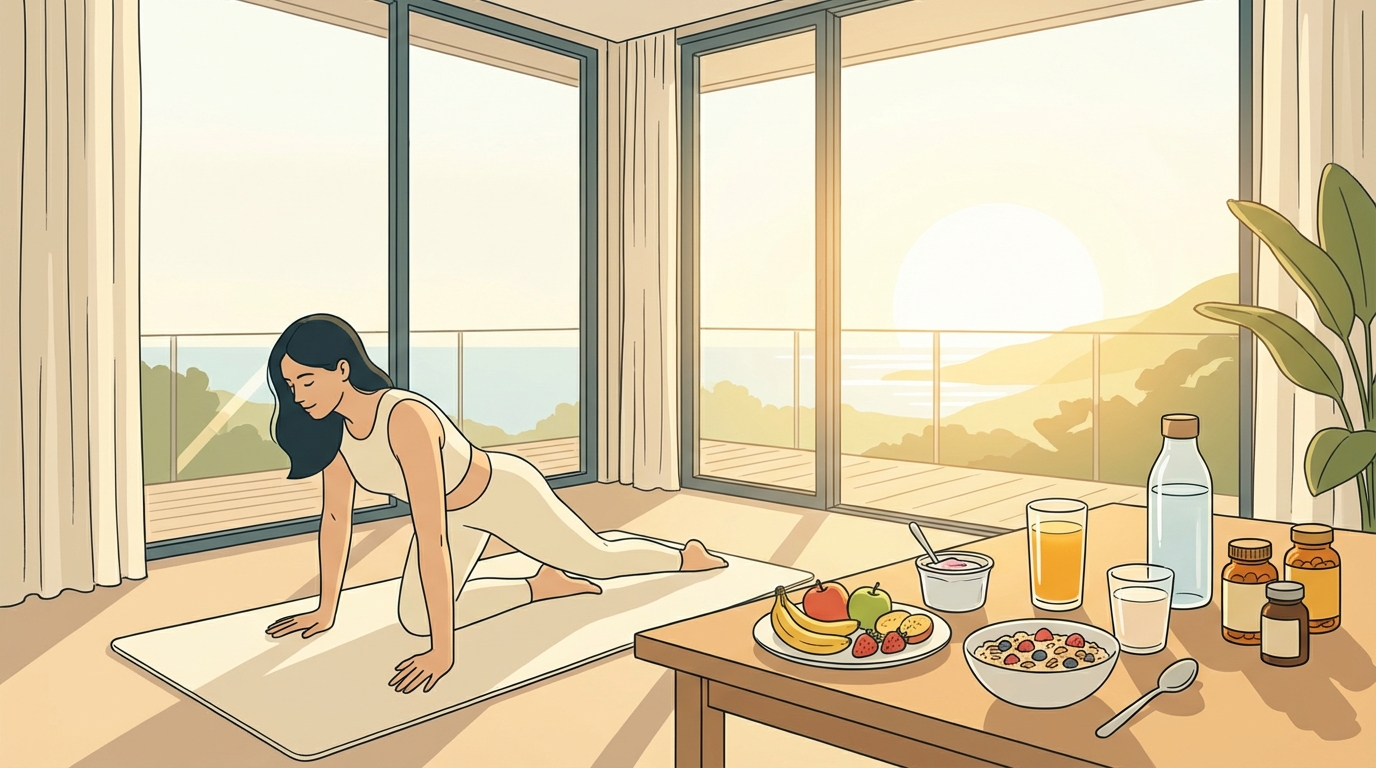
Prevention is boring until you're lying in a hospital bed in Bali wondering why you didn't get that Hepatitis A vaccine. Or sitting in a Chiang Mai clinic because you ignored that weird mole for a year. Or discovering your blood pressure has been quietly rising for months because you haven't seen a doctor in two years.
The nomad lifestyle makes it easy to defer healthcare. You're always about to move, never quite settled, and besides, you feel fine. But the same lifestyle exposes you to more health risks than stationary living—different foods, different diseases, different sun, different stresses.
Prevention isn't exciting, but it's the foundation that makes sustainable nomad life possible.
For complete healthcare guidance, see our main healthcare guide. For finding doctors abroad, see our finding doctors guide.
Why Prevention Matters More for Nomads
Preventative Care Stats
The Nomad Risk Profile
| Factor | Increased Risk |
|---|---|
| Varied diet | Foodborne illness, parasites |
| Sun exposure | Skin damage, melanoma |
| Different diseases | Tropical infections, local illnesses |
| Motion/posture | Musculoskeletal issues |
| Air travel | Deep vein thrombosis, infections |
| Stress patterns | Cardiovascular, mental health |
| Deferred care | Late detection of problems |
The Cost of Prevention vs. Treatment
| Condition | Prevention Cost | Treatment Cost |
|---|---|---|
| Hepatitis A | $100 vaccine | $5,000+ hospitalization |
| Typhoid | $100 vaccine | $2,000+ treatment |
| Dental cavity | $50 cleaning | $500+ root canal |
| Skin cancer | $150 check | $10,000+ treatment |
| Blood pressure | $30 checkup | $50,000+ heart event |
Prevention is the best investment.
Vaccinations for Travel
Core Vaccinations Everyone Should Have
Regardless of destination, ensure these are current:
| Vaccine | Schedule | Duration |
|---|---|---|
| Tetanus/Diphtheria/Pertussis (Tdap) | Every 10 years | 10 years |
| MMR (Measles, Mumps, Rubella) | Usually childhood, verify | Lifetime |
| Varicella (Chickenpox) | Usually childhood, verify | Lifetime |
| Influenza | Annual | 1 year |
| COVID-19 | Per current guidance | Per guidance |
Travel-Specific Vaccinations
Highly recommended for nomads:
| Vaccine | Recommended For | Schedule | Duration |
|---|---|---|---|
| Hepatitis A | All travelers | 2 doses, 6 months apart | 25+ years |
| Hepatitis B | All travelers | 3 doses over 6 months | Lifetime |
| Typhoid | Asia, Africa, Latin America | Single dose (oral or injection) | 2-5 years |
| Meningitis | Africa, some Asia | Single dose | 5 years |
| Japanese Encephalitis | Extended SE Asia | 2 doses, 28 days apart | Unknown (boosters may be needed) |
| Rabies | Extended travel, animal contact | 3 doses over 1 month | Long-term (post-exposure still needed) |
| Yellow Fever | Africa, South America | Single dose | Lifetime (some countries) |
Region-Specific Recommendations
Southeast Asia:
- Hepatitis A & B: Essential
- Typhoid: Recommended
- Japanese Encephalitis: If rural/extended stay
- Rabies: Consider if in areas with stray dogs
South Asia (India, Nepal, etc.):
- Hepatitis A & B: Essential
- Typhoid: Essential
- Japanese Encephalitis: If rural
- Rabies: Recommended
Latin America:
- Hepatitis A: Essential
- Typhoid: Recommended for most countries
- Yellow Fever: Required for some (Amazon regions)
- Rabies: Consider for jungle areas
Africa:
- Hepatitis A & B: Essential
- Typhoid: Essential
- Yellow Fever: Required for many countries
- Meningitis: Recommended for some regions
- Rabies: Recommended
Europe:
- Routine vaccines current
- Tick-borne encephalitis: Consider for certain regions
Malaria Prevention
Not a vaccine—requires ongoing medication:
High-risk regions:
- Sub-Saharan Africa
- Parts of South Asia
- Amazon basin
- Some Southeast Asian rural areas
Options:
| Medication | Schedule | Pros | Cons |
|---|---|---|---|
| Malarone (Atovaquone/Proguanil) | Daily, start 1-2 days before | Well-tolerated | Expensive |
| Doxycycline | Daily, start 1-2 days before | Cheap | Sun sensitivity |
| Mefloquine (Lariam) | Weekly | Convenient | Neuropsychiatric effects |
Note: Malaria medication is only for high-risk areas. Most nomad destinations (Thailand, Vietnam, Mexico, Portugal, etc.) don't require it for typical itineraries. Research specific regions.
Where to Get Vaccinations
Before travel:
- Travel medicine clinics
- Primary care physician
- Pharmacies (some vaccines)
- Health departments
While traveling:
- International hospitals
- Travel clinics in major cities
- Pharmacies (some countries)
Costs:
- Often cheaper abroad (Bangkok, etc.)
- Some vaccinations covered by insurance
- Budget $200-500 for comprehensive travel vaccines
Regular Health Checkups
Annual Exam Essentials
What to include in yearly checkups:
Basic screening:
- Blood pressure
- Heart rate
- Weight/BMI
- General physical exam
- Vision screening
- Hearing check (if concerns)
Blood work (standard panel):
- Complete blood count (CBC)
- Comprehensive metabolic panel
- Lipid panel (cholesterol)
- Thyroid (TSH)
- Blood glucose
- Vitamin D (common deficiency in nomads)
Additional based on risk:
- STI screening
- Hepatitis screening
- HIV test
- Diabetes screening (A1C)
Where to Get Checkups
Option 1: Healthcare hub visits Schedule comprehensive care when visiting designated cities:
- Bangkok: Full physical for $100-200
- KL: Similar pricing
- Mexico City: Very affordable
Option 2: Annual home visits If you return home periodically:
- Schedule annual physical during visits
- Ensure continuity of records
- Address any concerns
Option 3: Current location Find quality care wherever you are:
- International hospitals
- Private clinics
- Walk-in lab services for blood work
Dental Prevention
Every 6 months:
- Professional cleaning
- Examination for problems
- X-rays annually
Daily:
- Brush twice daily
- Floss daily
- Fluoride mouthwash if high-risk
When to go sooner:
- Pain or sensitivity
- Bleeding gums
- Visible problems
For dental care abroad, see our dental guide.
Vision Care
Annually if wearing corrective lenses:
- Prescription check
- Eye health exam
- Glaucoma screening
Supplies to carry:
- Backup glasses (essential)
- Sufficient contact lenses
- Copy of prescription
Skin Checks
Nomads get more sun exposure. Skin checks matter.
What to watch:
- New moles or growths
- Changes in existing moles (ABCDE: Asymmetry, Border, Color, Diameter, Evolution)
- Sores that don't heal
- Unusual skin changes
Professional screening:
- Annual dermatologist visit recommended
- Especially if history of sun exposure or family history
Daily Health Practices
Hydration
Chronic low-grade dehydration is common in travelers.
Guidelines:
- Aim for 2-3 liters daily
- More in hot climates
- Monitor urine color (should be pale)
- Limit alcohol (dehydrating)
Tips:
- Carry water bottle always
- Drink even when not thirsty
- Electrolytes in hot climates or after exercise
Nutrition
Nomad diets are often inconsistent.
Priorities:
- Adequate protein
- Fruits and vegetables
- Fiber
- Limit processed foods
- Moderate alcohol
Common deficiencies in travelers:
- Vitamin D (supplementation often needed—see our recommended Vitamin D)
- B12 (especially vegetarians)
- Iron (especially women)
- Fiber
Practical tips:
- Don't skip meals while working
- Balance food adventures with nutrition
- Consider multivitamin for gaps
- Get blood work to check levels
Movement and Exercise
Nomads often alternate between too sedentary (working) and active travel.
Minimum goals:
- Daily movement (even 20-30 minutes)
- Strength training 2-3x weekly
- Regular walking
Portable fitness:
- Resistance bands
- Yoga (bodyweight)
- Walking/running
- Gym passes (many hotels, coworking spaces)
For ergonomics and physical health while working, see our remote work setup guide.
Sleep
Sleep quality directly affects health.
Challenges for nomads:
- Different beds constantly
- Noise in accommodations
- Time zone changes
- Irregular schedules
Strategies:
- Maintain consistent sleep times (within 1 hour)
- Sleep mask and earplugs always
- Limit screens before bed
- Avoid alcohol as sleep aid
- Melatonin for time zone adjustment
Mental Health Maintenance
Prevention applies to mental health too.
Daily practices:
- Stress management (meditation, breathing)
- Social connection
- Purpose and meaning in work
- Boundaries between work and leisure
Regular check-ins:
- Self-assessment of mood and wellbeing
- Therapy (telehealth makes this accessible)
- Address concerns early
For comprehensive mental health guidance, see our mental health guide.
Common Nomad Health Pitfalls
Sun Damage
Risk: Dramatically increased sun exposure
Prevention:
- Daily sunscreen (SPF 30+) on exposed skin—see our recommended sunscreen
- Reapply every 2 hours when in sun
- Protective clothing and hats
- Avoid peak sun (10am-4pm)
- Sunglasses (UV protection)
- Regular skin checks
Traveler's Illnesses
Digestive issues:
- Hand hygiene (wash often)
- Food safety awareness (hot, cooked, peeled)
- Avoid tap water where unsafe
- Probiotics may help adaptation
- Gradual food introduction in new places
Respiratory infections:
- Hand hygiene
- Avoid touching face
- Mask use in crowded spaces
- Adequate sleep (immune function)
- Stay hydrated
Ergonomic Problems
Working from variable setups causes issues.
Common problems:
- Back pain
- Neck strain
- Wrist issues
- Eye strain
Prevention:
- Proper setup when possible
- Take breaks (20-20-20 rule for eyes)
- Stretch regularly
- Vary positions
- Portable ergonomic tools
See our ergonomics guide for detailed strategies.
Motion-Related Issues
Deep vein thrombosis (DVT) on flights:
- Get up and walk hourly on long flights
- Ankle circles and leg exercises while seated
- Stay hydrated
- Consider compression socks for flights over 4 hours
Motion sickness:
- Ginger or medication before travel
- Fresh air
- Focus on horizon
- Avoid reading while in motion
Building Your Prevention Routine
Before Departure
Complete:
- Full physical exam
- Blood work panel
- Dental cleaning and checkup
- Eye exam (if applicable)
- All routine vaccinations current
- Travel vaccinations obtained
- Skin check
Ongoing Schedule
| Frequency | Action |
|---|---|
| Daily | Hydration, movement, sleep hygiene |
| Weekly | Self-assessment (how do you feel?) |
| Monthly | Weight check, self skin check |
| Every 6 months | Dental cleaning |
| Annually | Full physical, blood work, eye exam |
| As needed | Address concerns promptly |
Track Your Health
Simple tracking helps identify patterns:
What to track:
- Blood pressure (if monitoring)
- Weight (monthly)
- Sleep quality
- Energy levels
- Any symptoms
How:
- Health app (many free options)
- Simple spreadsheet
- Notes app
Age-Specific Considerations
20s
Focus:
- Establish baseline health data
- Build healthy habits
- Vaccinations complete
- STI awareness
- Mental health foundation
30s
Add:
- Regular blood work tracking
- Skin checks (sun damage starts showing)
- Cardiovascular baseline
- Stress management practices
40s
Add:
- More frequent checkups
- Cancer screenings beginning
- Prostate/breast awareness
- Vision changes expected
- Cardiovascular risk monitoring
50+
Add:
- Colonoscopy screening
- More comprehensive cardiovascular monitoring
- Bone density awareness
- More frequent eye exams
- Hearing baseline
Taking Action
Prevention requires intentional effort but pays off significantly.
This month:
- Check vaccination records—are you current?
- Schedule overdue checkups (dental, physical)
- Get blood work if it's been over a year
- Start daily sunscreen habit if not already
Ongoing: 5. Maintain 6-month dental schedule 6. Annual physical—schedule around your travel patterns 7. Daily habits: hydration, movement, sleep 8. Address concerns early—don't defer
Build systems: 9. Identify healthcare hub for regular care 10. Set reminders for recurring care 11. Track health metrics 12. Make prevention part of your nomad infrastructure
Healthcare as a nomad works best when prevention is the foundation. The work you do to prevent problems is far easier than solving them—especially when you're on the other side of the world.
Related Resources
Healthcare:
- Complete Healthcare Guide
- Finding Doctors Abroad
- Healthcare Costs by Region
- Managing Chronic Conditions
- Dental Care Abroad
Wellbeing:
Setup:
EltaMD UV Clear - Best Daily Travel Sunscreen

EltaMD UV Clear SPF 46 Sunscreen
EltaMD UV Clear Best Daily Travel Sunscreen
EltaMD UV Clear provides broad-spectrum SPF 46 protection in a lightweight, non-greasy formula that works under makeup or alone.
EltaMD UV Clear provides broad-spectrum SPF 46 protection in a lightweight, non-greasy formula that works under makeup or alone. The zinc oxide and octinoxate combination protects without the white cast of pure mineral sunscreens. Oil-free formula won't clog pores in humid climates. The 1.7oz tube meets TSA requirements. Dermatologist-recommended and suitable for sensitive skin. Daily application prevents cumulative sun damage that catches up with nomads years later.
What We Like
❝Finally a sunscreen I actually use daily. No white cast, no greasy feel, no breakouts. Essential in SE Asia and Latin America. The TSA-size bottle lasts about a month of daily face application.❞
Nature Made Vitamin D3 - Best Travel Supplement

Nature Made Vitamin D3 2000 IU
Nature Made Vitamin D3 Best Travel Supplement
Nature Made Vitamin D3 2000 IU addresses the most common nomad vitamin deficiency.
Nature Made Vitamin D3 2000 IU addresses the most common nomad vitamin deficiency. Despite sun exposure, many travelers remain Vitamin D deficient due to sunscreen use and indoor work hours. The small softgels are easy to swallow and travel well. USP-verified for purity and potency. The 400-count bottle lasts over a year and packs small. Get bloodwork to confirm deficiency, but most nomads benefit from supplementation.
What We Like
❝My bloodwork showed deficiency despite living in sunny places. After 3 months of supplementation, levels normalized. The bottle lasts forever and takes up minimal space.❞
TravelJohn - Best Emergency Hygiene Solution

TravelJohn Disposable Urinal Bags
TravelJohn Best Emergency Hygiene Solution
TravelJohn disposable urinal bags handle situations when bathrooms aren't available—long bus rides, traffic jams, medical emergencies, or sketchy facilities you won't enter.
TravelJohn disposable urinal bags handle situations when bathrooms aren't available—long bus rides, traffic jams, medical emergencies, or sketchy facilities you won't enter. The gel crystite technology solidifies liquid for odorless, leak-proof disposal. Unisex design works for everyone. Compact individual packets fit in pockets or bags. Not glamorous, but solves real travel problems that affect health (holding too long causes UTIs and other issues).
What We Like
❝Sounds weird until you need it. Used during a 12-hour bus delay and a food poisoning incident. Now I always keep a few in my bag. Gross topic, practical solution.❞
Withings Body+ - Best Travel Health Scale

Withings Body+ Smart Scale
Withings Body Best Travel Health Scale
The Withings Body+ tracks weight, body composition, and heart rate in a slim profile that fits in luggage.
The Withings Body+ tracks weight, body composition, and heart rate in a slim profile that fits in luggage. WiFi sync means automatic tracking to your health app. The glass platform is durable despite its compact design. Multiple user profiles work for couples or families. Tracking weight trends helps identify health changes early. Not essential, but valuable for nomads who want data on how travel affects their body.
What We Like
❝Noticed I was gaining weight slowly—this helped me catch it before it became significant. The WiFi sync means tracking continues automatically. Worth the luggage space for data-driven health management.❞
Review of Our Favorite 3
EltaMD UV Clear Best Daily Travel Sunscreen
EltaMD UV Clear provides broad-spectrum SPF 46 protection in a lightweight, non-greasy formula that works under makeup or alone.
Nature Made Vitamin D3 Best Travel Supplement
Nature Made Vitamin D3 2000 IU addresses the most common nomad vitamin deficiency.
TravelJohn Best Emergency Hygiene Solution
TravelJohn disposable urinal bags handle situations when bathrooms aren't available—long bus rides, traffic jams, medical emergencies, or sketchy facilities you won't enter.
About the Author