Managing Anxiety as a Digital Nomad: Coping With Uncertainty, Change, and Constant Decisions

The freedom everyone envies can feel terrifying from the inside. When will my visa expire? Is this area safe? What if I can't find reliable wifi? What if my biggest client leaves? What if I get seriously ill in a country where I don't speak the language?
Anxiety is the shadow side of nomad freedom. Every possibility is also a potential worry. Every choice has consequences you might not foresee. Every new place has unknown risks.
If anxiety is part of your nomad experience, this guide provides practical strategies to manage it—not eliminate it (impossible), but keep it from running your life.
This is part of our complete digital nomad mental health guide.
When Freedom Feels Frightening
Anxiety in the Nomad Lifestyle
Why the Nomad Lifestyle Generates Anxiety
Traditional life provides external structure that quietly reduces anxiety:
- Predictable routines require no daily decisions
- Familiar environments present no navigation challenges
- Stable employment provides financial certainty
- Established community offers social support
- Known healthcare systems reduce medical uncertainty
The nomad lifestyle removes these structures, placing their functions on you. This isn't necessarily bad—many people prefer self-direction. But it requires psychological resources that can deplete, especially when multiple uncertainty sources stack.
Anxiety vs. Appropriate Caution
Not all anxiety is disorder. Some "anxiety" is reasonable concern about real risks:
- Researching visa requirements isn't anxiety—it's necessary planning
- Checking neighborhood safety isn't anxiety—it's prudent awareness
- Maintaining emergency funds isn't anxiety—it's financial responsibility
The question is: Does your response match the actual risk? Spending 10 minutes checking visa rules is proportionate. Spending 10 hours unable to stop worrying about visa rules that you've already verified is disproportionate.
This guide addresses the disproportionate responses—when anxiety exceeds what the situation warrants or persists after reasonable action has been taken.
Understanding Nomad-Specific Anxiety Types
Different anxiety triggers require different management strategies.
Visa and Legal Anxiety
The fear: "What if I overstay? What if rules change? What if I get denied entry? What if I'm doing something illegal without knowing?"
Reality check: Visa systems are more forgiving than anxiety suggests. Minor overstays typically result in fines, not imprisonment. Rules change but grandfather existing visas. Denials are usually fixable. Immigration officers want processing to go smoothly too.
Common triggers:
- Approaching visa expiration dates
- Unclear or changing regulations
- Conflicting information online
- Stories of others getting denied
- Countries with complex requirements
Helpful actions:
- Track visa dates with calendar alerts (30, 14, 7 days)
- Use one authoritative source, not Reddit anxiety threads
- Consult immigration lawyers for complex situations
- Have a backup plan (different country, visa extension)
- Remember: thousands of nomads navigate this successfully
For detailed visa information, see our digital nomad visa guide.
Financial Anxiety
The fear: "What if my income stops? What if clients disappear? What if I can't find work? What if I run out of money in a foreign country?"
Reality check: Most financial fears are about possibilities, not current reality. Income variability is real but manageable with planning. Running out of money rarely happens overnight—warning signs appear first.
Common triggers:
- Client loss or slow months
- Currency fluctuations affecting budgets
- Unexpected expenses
- Comparing spending to home-country costs
- Watching savings decrease
- Income inconsistency inherent to freelance/remote work
Helpful actions:
- Maintain emergency fund (3-6 months expenses)
- Track income and expenses monthly
- Diversify income sources where possible
- Know your "burn rate" and runway
- Have a "return home" plan you could execute if needed
- Focus on what you control (finding work) not what you don't (economy)
For financial planning resources, see our digital nomad banking guide.
Health Anxiety Abroad
The fear: "What if I get seriously ill? What if I need surgery? What if the hospitals aren't good? What if my insurance doesn't cover it?"
Reality check: Quality healthcare exists in most nomad-popular destinations—often better and cheaper than the US. Your insurance likely covers more than you think. Most health issues are minor and treatable anywhere.
Common triggers:
- Pre-existing health conditions
- Unfamiliar healthcare systems
- Language barriers with medical providers
- Stories of others' medical emergencies
- Distance from home-country doctors
- Medication access concerns
Helpful actions:
- Get comprehensive travel health insurance
- Research hospital options before you need them
- Carry essential medications with documentation
- Have telemedicine options for non-emergencies
- Learn key medical phrases in local languages
- Remember: you can always return home for serious issues
For insurance options, see our travel insurance guide.
Safety Anxiety
The fear: "Is this neighborhood safe? Is this country stable? What if there's crime? What if there's political unrest?"
Reality check: Most nomad destinations are safer than anxiety suggests. Crime targeting tourists is usually petty (pickpocketing), not violent. Political instability rarely affects foreigners. You have resources (money, mobility) that locals don't.
Common triggers:
- Arriving in new, unfamiliar places
- News reports about destination countries
- Warnings from family back home
- Visibly being a foreigner
- Solo travel, especially for women
Helpful actions:
- Research actual crime statistics, not anecdotes
- Follow State Department warnings but understand their conservatism
- Take reasonable precautions (don't flash valuables, stay aware)
- Connect with local nomad communities for current ground truth
- Have emergency contacts and plans
- Trust that millions of travelers navigate these places safely
Social Anxiety
The fear: "Will I make friends? Do people like me? Am I being awkward? Why is everyone else connecting better?"
Reality check: Social anxiety distorts perception—others often feel the same uncertainty. Most nomads are friendly to other nomads by default. Awkward moments are normal when meeting new people constantly.
Common triggers:
- Coworking space introductions
- Nomad meetup events
- Having to make friends repeatedly
- Comparisons to seemingly social nomads
- Constant "explain yourself" conversations
Helpful actions:
- Prepare simple answers to common questions
- Focus on one-on-one over group settings if easier
- Remember others want connection too
- Join structured activities (classes, tours) where socializing is secondary
- Online communities reduce in-person pressure
Future Anxiety
The fear: "Where is this going? Is this sustainable? Am I wasting time? Will I regret this?"
Reality check: No one has their life figured out—even the ones who seem to. The nomad path doesn't require a destination. You can change direction anytime.
Common triggers:
- Age milestones (30, 40, etc.)
- Peers hitting traditional markers (houses, marriages, promotions)
- Parental pressure about settling down
- Uncertainty about long-term career trajectory
- Existential "what's the point?" moments
Helpful actions:
- Define your own success metrics, not inherited ones
- Focus on present value, not future uncertainty
- Regular reflection on what you actually want
- Remember: you can stop nomading anytime
- Consider therapy for persistent existential anxiety
Evidence-Based Anxiety Management Techniques
These approaches work for anxiety generally and adapt well to nomad contexts.
Cognitive Strategies
Cognitive restructuring: When anxious thoughts arise, challenge them:
- What's the thought? ("I'll run out of money and be stranded")
- What's the evidence for this thought? (List specifics)
- What's the evidence against? (Savings, skills, options)
- What's a more balanced view? ("I have a 6-month runway and could find work or return home")
- What's the appropriate action? (Nothing urgent; continue monitoring)
Probability assessment: Anxiety overestimates likelihood of bad outcomes.
- What's the realistic probability of the feared outcome?
- What's the probability you could handle it if it happened?
- What do you gain by worrying vs. taking action?
Worst-case acceptance: Sometimes acknowledging the worst case reduces its power.
- What's the absolute worst that could realistically happen?
- Could you survive it? (Usually yes)
- Does worrying prevent it? (No)
Physical Strategies
Breathing techniques: Physiologically interrupt anxiety response.
- 4-7-8 breathing: Inhale 4 seconds, hold 7, exhale 8
- Box breathing: 4 seconds each for inhale, hold, exhale, hold
- Extended exhale: Any pattern where exhale is longer than inhale
Movement: Physical activity metabolizes stress hormones.
- Walk when anxious (exploration doubles as anxiety relief)
- Exercise routine reduces baseline anxiety
- Even stretching helps
Grounding techniques: For acute anxiety, engage your senses.
- 5-4-3-2-1: Name 5 things you see, 4 you hear, 3 you feel, 2 you smell, 1 you taste
- Hold ice, squeeze something cold
- Focus intensely on physical sensations
Behavioral Strategies
Exposure: Anxiety shrinks when you face fears repeatedly.
- Start with small versions of feared situations
- Stay in the situation until anxiety naturally decreases
- Repeat until the trigger loses power
- Works for social anxiety, travel anxiety, many specific fears
Scheduled worry time: Contain anxiety to specific periods.
- Designate 20 minutes daily for worry
- When worries arise outside that time, note them for later
- During worry time, work through the list systematically
- Prevents worry from dominating entire days
Action over rumination: When anxiety is about actionable things, act.
- Can you do something about it? → Do it now or schedule when
- Can't do anything? → Acknowledge limits, use acceptance strategies
- Uncertainty? → Gather information, then decide
- Rumination without action accomplishes nothing
Mindfulness and Acceptance
Present-moment focus: Most anxiety is about future or past, not now.
- What's true right now in this moment?
- Is the feared thing happening right now? (Usually no)
- Can you be with what's actually present?
Acceptance of uncertainty: Some uncertainty cannot be resolved.
- The nomad life inherently includes uncertainty
- Fighting uncertainty creates more suffering than accepting it
- You can accept uncertainty while still taking reasonable precautions
Meditation practice: Regular practice reduces baseline anxiety.
- Apps: Headspace, Calm, Insight Timer, Waking Up
- Even 5-10 minutes daily helps
- Don't expect immediate results; benefits accumulate
Building Your Anxiety Toolkit
Create a portable system for managing anxiety across situations and locations.
Your Personal Anxiety Protocol
When you notice anxiety rising:
Step 1: Recognize
- "I'm feeling anxious right now"
- Notice physical sensations (chest tightness, racing thoughts)
- Name the trigger if you can identify it
Step 2: Breathe
- Three slow breaths with extended exhale
- Ground yourself in the present moment
- This alone often reduces acute anxiety 20-30%
Step 3: Assess
- Is there a real, current threat? (Usually no)
- Is there an action I can take? (Sometimes)
- Is this proportionate to actual risk? (Often no)
Step 4: Respond
- If action needed: Take the smallest useful step
- If no action possible: Acceptance strategies
- If thought distortion: Cognitive restructuring
Step 5: Continue
- Return to what you were doing
- Accept that some residual anxiety is okay
- Note patterns for later reflection
Emergency Anxiety Kit
Keep these accessible:
| Tool | Purpose |
|---|---|
| Breathing app or guide | Quick intervention |
| Calming music/podcast | Distraction for acute moments |
| Grounding object | Physical anchor (stone, ring) |
| Written reminders | "I've survived anxiety before" |
| Emergency contact | Someone who gets it |
| Crisis resources | For severe episodes |
Prevention Practices
Daily:
- 5-10 minutes meditation or quiet
- Physical movement
- Adequate sleep (anxiety's #1 amplifier)
- Limited caffeine and alcohol
- Time in nature when possible
Weekly:
- Review upcoming potential triggers
- Process accumulated worries (worry time)
- Connection with supportive people
- Reflection on what's actually going well
Per move:
- Research to reduce uncertainty
- Preparation for common scenarios
- Mental rehearsal of arrival
- Grace for adjustment anxiety
Creating Stability Within Instability
The ultimate anxiety management for nomads is building internal stability that doesn't depend on external circumstances.
Portable Routines
Create routines that travel with you:
- Same morning practice regardless of location
- Consistent work rhythm
- Evening wind-down that doesn't require specific environment
- Weekly structure that provides predictability
These create micro-stability within macro-change.
Non-Negotiable Anchors
Identify 3-5 things you protect regardless of circumstances:
- Sleep minimum (even if timing varies)
- One form of exercise
- Contact with close relationships
- One offline hour daily
- (Your specific anchor)
When everything else is chaotic, these remain stable.
Future-Proofing
Reduce anxiety about specific scenarios by having plans:
| Scenario | Your Plan |
|---|---|
| Medical emergency | Insurance + hospital research + emergency fund |
| Income loss | Savings buffer + return-home option + skills to find work |
| Visa issues | Buffer time + backup countries + legal resources |
| Relationship/family emergency | Accessible funds for flight + work flexibility plan |
| Complete overwhelm | Permission to stop and recover |
Having plans reduces planning anxiety because the work is already done.
Accepting What Can't Be Controlled
Some nomad uncertainty simply exists:
- You can't control visa policy changes
- You can't control global economic conditions
- You can't control natural disasters or pandemics
- You can't control how others perceive you
- You can't control the future
What you can control: your responses, your preparation, your choices in the present.
Serenity prayer wisdom applies: Courage to change what you can, serenity to accept what you can't, wisdom to know the difference.
When to Seek Professional Help
Anxiety exists on a spectrum. These signs suggest professional support would help:
Red Flags
- Anxiety interfering significantly with work or relationships
- Panic attacks (intense physical symptoms, feeling of losing control)
- Avoidance limiting your life (not going places, not trying things)
- Physical symptoms without medical explanation
- Using substances to manage anxiety
- Intrusive thoughts you can't control
- Sleep significantly disrupted by worry
- Anxiety persisting despite self-help efforts
What Professional Help Offers
Therapy options:
- CBT (Cognitive Behavioral Therapy): Gold standard for anxiety, teaches thought and behavior modification
- ACT (Acceptance and Commitment Therapy): Focus on acceptance and value-driven action
- Exposure therapy: Systematic facing of feared situations
- Psychodynamic therapy: Understanding anxiety's deeper roots
Medication options:
- SSRIs/SNRIs: Long-term anxiety reduction
- Benzodiazepines: Acute relief (short-term, addictive)
- Buspirone: Non-addictive anti-anxiety
- Beta-blockers: Physical symptoms (racing heart)
Medication can be managed while traveling—see our mental health resources guide for details.
Finding Help as a Nomad
Online therapy works well for anxiety:
- BetterHelp, Talkspace for convenience
- Individual therapists via Psychology Today
- Headspace, Calm for guided practice
- Woebot, Wysa for AI-assisted CBT
See our complete guide to finding mental health support abroad.
FAQ
Frequently Asked Questions
Summary
Anxiety is a common nomad experience—the price of freedom and possibility. It's manageable when you:
- Identify your specific anxiety types (visa, financial, health, social, future)
- Apply evidence-based techniques (cognitive, physical, behavioral)
- Build portable systems that travel with you
- Create internal stability through routine and anchors
- Seek professional help when self-management isn't enough
You don't need to eliminate anxiety to live well as a nomad. You need to keep it proportionate to reality and prevent it from running your life.
The anxious moments will come. With practice, you'll navigate them and continue toward what matters to you.
Related Guides
- Complete Digital Nomad Mental Health Guide
- Burnout Prevention and Recovery
- Depression While Living Abroad
- Mental Health Resources
- Digital Nomad Visa Guide
- Best Travel Insurance
- Digital Nomad Banking Guide
Sony WH-1000XM5 - Best Noise-Canceling Headphones
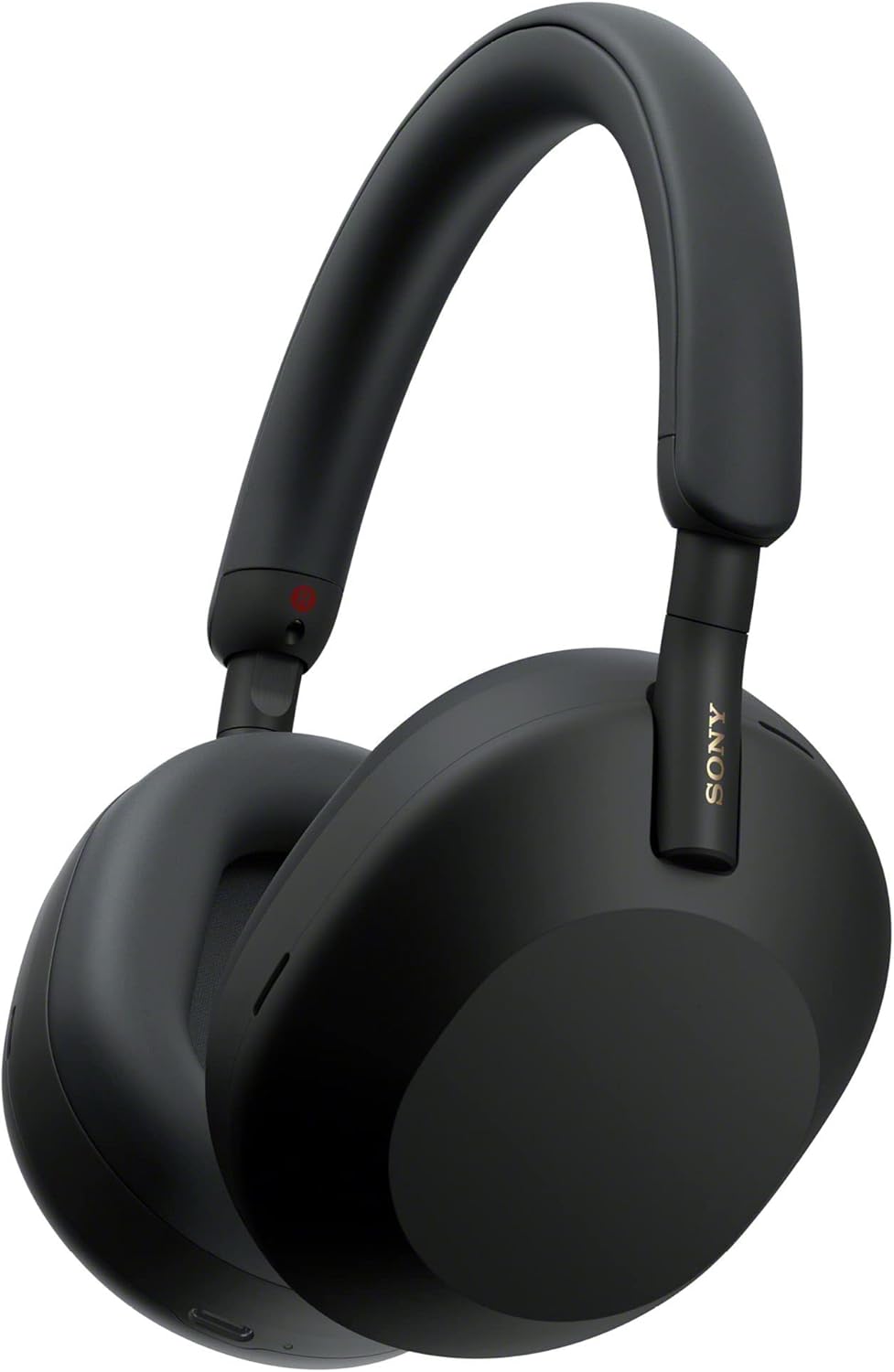
Sony WH-1000XM5
Best Noise Canceling Headphones
Overstimulation is a major anxiety trigger for nomads—unfamiliar sounds, crowded spaces, chaotic environments.
Overstimulation is a major anxiety trigger for nomads—unfamiliar sounds, crowded spaces, chaotic environments. The Sony XM5s are the gold standard for noise cancellation. They block out airport chaos, hostel noise, café clatter, and street sounds. The 30-hour battery handles long travel days. Multipoint connection lets you stay connected to phone and laptop simultaneously. The fold-flat design packs well. When the world gets too loud, these create instant calm.
What We Like
❝Worth every penny for anxiety management alone. I can work in any environment now. The noise cancellation creates a bubble of calm wherever I go.❞
Flippy Chain - Best Discreet Anxiety Tool

Tom's Fidgets Flippy Chain
Flippy Chain Best Discreet Anxiety Tool
When anxiety spikes, having something physical to redirect your hands can interrupt anxious thought patterns.
When anxiety spikes, having something physical to redirect your hands can interrupt anxious thought patterns. The Flippy Chain is a silent, discreet fidget tool that looks like jewelry. Flip and roll the interconnected rings—the repetitive motion is calming and doesn't disturb others. Small enough to keep in your pocket or on a keychain. Unlike spinner toys, it's silent and doesn't look out of place in professional settings. A simple grounding tool that actually works.
What We Like
❝Helps me in meetings and on calls when I can feel anxiety building. It's silent and doesn't look childish. Small but genuinely useful.❞
Moleskine Expanded - Best Worry Journal

Moleskine Classic Expanded Notebook
Moleskine Expanded Best Worry Journal
Writing down worries is proven to reduce their psychological hold.
Writing down worries is proven to reduce their psychological hold. A dedicated worry journal lets you externalize anxious thoughts rather than ruminating. The Moleskine Expanded offers 400 pages in a durable, travel-hardy format. The acid-free paper handles most pens without bleed-through. The elastic closure keeps pages protected. Journaling anxious thoughts before bed significantly improves sleep quality—a core anxiety management strategy.
What We Like
❝The worry dump practice changed my relationship with anxiety. Writing it all down before bed means my brain doesn't rehearse it overnight.❞
Review of What We Liked
Best Noise Canceling Headphones
Overstimulation is a major anxiety trigger for nomads—unfamiliar sounds, crowded spaces, chaotic environments.
Flippy Chain Best Discreet Anxiety Tool
When anxiety spikes, having something physical to redirect your hands can interrupt anxious thought patterns.
Moleskine Expanded Best Worry Journal
Writing down worries is proven to reduce their psychological hold.
About the Author