Chiang Mai Digital Nomad Guide: Thailand's Remote Work Capital
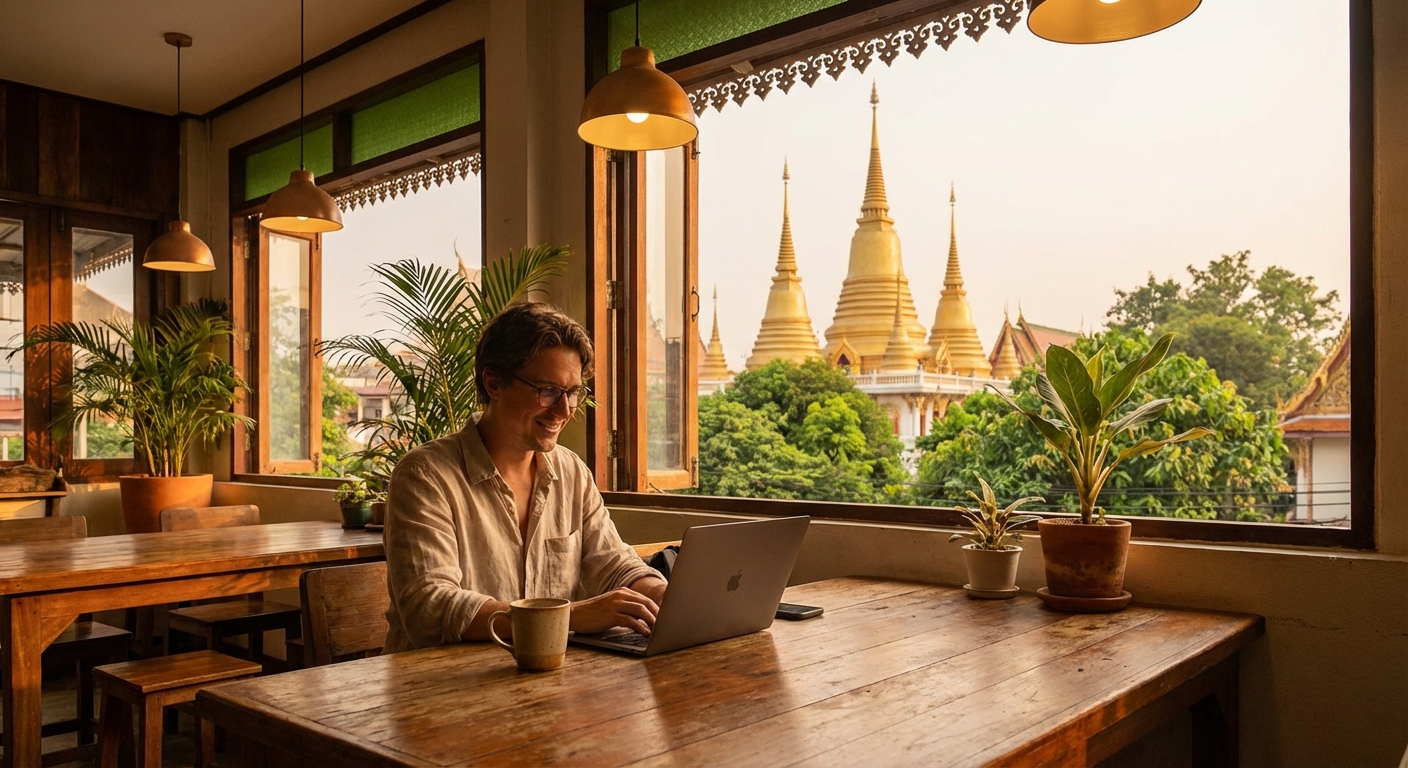

Chiang Mai didn't become the world's most popular digital nomad destination by accident. While other cities have risen and fallen in nomad popularity rankings, this northern Thai city has maintained its position at the top for over a decade. The reason is simple: no other destination delivers this combination of low costs, established infrastructure, welcoming community, and quality of life.
According to Nomad List, digital nomads in Chiang Mai spend an average of $1,257 per month—roughly half what you'd pay in Lisbon and a third of Barcelona. But unlike many "cheap" destinations, Chiang Mai backs up its affordability with fiber internet in most modern buildings, coworking spaces that rival Western cities, and a community so established that you can find help for almost any problem within hours of asking.
This guide covers everything you need to know to work productively from Chiang Mai: real cost breakdowns by neighborhood, the best coworking spaces and cafes for laptop work, visa strategies for extended stays, and honest advice about the downsides nobody mentions in Instagram posts. Whether you're planning your first month abroad or your fifth year as a nomad, Chiang Mai rewards those who understand how to work the system.
Chiang Mai at a Glance
In this guide:
- Cost of Living Breakdown
- Best Neighborhoods for Digital Nomads
- Coworking Spaces and Work-Friendly Cafes
- Internet and Connectivity
- Visa and Legal Considerations
- When to Visit (and When to Leave)
- The Nomad Community
- Getting Around
- FAQ
For how Chiang Mai compares to other destinations, see our best digital nomad destinations 2026 guide.
Cost of Living Breakdown
The $1,257 monthly average from Nomad List reflects comfortable mid-range living—not backpacker budgets, but not luxury either. Here's how that breaks down in practice, with options for both budget-conscious and comfort-focused nomads.
Accommodation
Housing costs in Chiang Mai vary dramatically based on location, amenities, and booking method.
| Type | Budget | Mid-Range | Comfort |
|---|---|---|---|
| Studio apartment | $240-350 | $400-500 | $600-800 |
| One-bedroom | $350-450 | $500-700 | $800-1,200 |
| Neighborhood | Old City | Nimman | Nimman/Santitham |
| Amenities | Basic, older building | Pool, gym, modern | Pool, gym, furnished |
Budget strategy: Old City studios in older buildings start around $240/month. These won't have pools or gyms, but they're walking distance to temples, markets, and some excellent cafes. Expect older furnishings and potentially inconsistent internet.
Mid-range reality: Most nomads settle in the $400-600 range for a modern studio or small one-bedroom in the Nimman area. At this price point, you typically get a pool, basic gym, and reliable building WiFi. The Nimman location puts you walking distance from major coworking spaces and the city's best cafe scene.
Booking approach: Monthly rates are significantly cheaper than daily rates. Facebook groups (Chiang Mai Digital Nomads, Chiang Mai Apartments for Rent) have direct listings from landlords. Airbnb works for the first few weeks while you search, but expect to pay 30-50% more than local rates.
For comprehensive strategies on finding, negotiating, and securing accommodation, see our Complete Digital Nomad Accommodation Guide.
Food and Dining
Thai food is both delicious and remarkably affordable, especially once you move beyond tourist-oriented restaurants.
Street food and local restaurants: $1-3 per meal. Pad thai, khao soi (the local specialty), rice dishes with meat and vegetables—all available at this price point throughout the city. Night markets offer incredible variety and value.
Cafes and Western food: $5-10 per meal. Chiang Mai's cafe scene rivals much larger cities, with excellent coffee, healthy bowls, and Western breakfast options. Nimman Road alone has dozens of laptop-friendly cafes with air conditioning and reliable WiFi.
Groceries: $150-250 per month for regular home cooking. Rimping Supermarket stocks international products. Local markets offer fresh produce at a fraction of supermarket prices.
Monthly food budget: Most nomads spend $350-500 on food, mixing street food lunches, cafe work sessions with purchased drinks, occasional Western comfort food, and some home cooking.
Coworking and Workspace
Coworking costs in Chiang Mai represent exceptional value compared to global standards.
| Space | Day Pass | Monthly | Features |
|---|---|---|---|
| CAMP (Maya Mall) | Free | Free | Basic amenities, busy |
| Punspace Tha Phae | $8 | $110 | Premium space, 24/7 access |
| Punspace Wiang Kaew | $8 | $82 | Old Town, quieter |
| Mana Co-working | $5 | $80 | Creative vibe |
| Hub 53 | $8 | $120 | Co-living option |
The free option: CAMP, located inside Maya Mall, offers free coworking with purchase. Buy a $2 coffee and work all day. The catch: it's busy, seating isn't guaranteed, and the atmosphere skews young and social rather than focused.
The sweet spot: Punspace offers the best balance of price, professionalism, and community. $100/month gets you 24/7 access, meeting rooms, reliable fiber internet, and regular community events. Most serious remote workers land here eventually.
Other Monthly Costs
Transportation: $50-100. Most nomads rent a scooter ($70-100/month including insurance) or use a combination of Grab (like Uber) and the red songthaew trucks that run fixed routes.
Health and fitness: $30-80. Gym memberships run $30-50/month. Yoga classes, muay thai gyms, and fitness studios are abundant and affordable.
Massage and wellness: $20-50. Thai massage starts at $5-7 per hour. Many nomads build regular massage into their routine—it's preventative maintenance for desk work posture at a fraction of Western prices.
Entertainment: $50-150. Live music, night markets, temple visits (mostly free or small donation), weekend day trips.
Phone/internet: $10-20. A local SIM with generous data costs $10-15/month. Building WiFi is typically included in rent.
Monthly Budget Summary
| Category | Budget | Comfortable | Premium |
|---|---|---|---|
| Accommodation | $300 | $500 | $800 |
| Food | $300 | $450 | $600 |
| Coworking | $0 (cafe) | $100 | $150 |
| Transport | $50 | $80 | $100 |
| Health/fitness | $30 | $50 | $100 |
| Entertainment | $50 | $100 | $200 |
| Phone/misc | $30 | $50 | $100 |
| Total | $760 | $1,330 | $2,050 |
For more budget optimization strategies, check our best budget digital nomad destinations guide.
Best Neighborhoods for Digital Nomads
Chiang Mai is compact enough that you can access most of the city from any neighborhood, but where you stay significantly impacts your daily experience.
Nimman (Nimmanhaemin)
The vibe: Trendy, modern, international. Think coffee shops, boutique hotels, design stores, and restaurants serving everything from authentic Thai to Japanese to brunch food.
Best for: Nomads who want to walk out their door and immediately access coworking, cafes, and other foreigners. Social butterflies and those new to Chiang Mai often start here.
Costs: Higher end for Chiang Mai. Studios run $400-600, one-bedrooms $600-900. Food and coffee prices are slightly elevated but still reasonable by global standards.
Pros
- Walk to major coworking spaces and cafes
- Best cafe and restaurant density in the city
- Strong nomad community and networking
- Modern apartments with reliable internet
- Easy access to Maya Mall amenities
Cons
- Feels less authentically Thai
- Tourist-heavy during high season
- Can feel like a nomad bubble
- Higher prices than other neighborhoods
Our take: Nimman is the safe default choice. If you're unsure where to stay, start here for a month, then explore other neighborhoods once you understand the city.
Old City
The vibe: Historic, atmospheric, culturally rich. Ancient temples, the famous Sunday Walking Street market, traditional Thai architecture surrounded by the old city walls and moat.
Best for: Nomads who prioritize cultural immersion over convenience. Those who want to wake up to temple bells rather than coffee shop playlists.
Costs: Budget-friendly. Studios $240-400, one-bedrooms $350-500. Food is cheap at local spots, though fewer Western options.
Downsides: Fewer modern amenities. Internet can be inconsistent in older buildings. Longer commute to Nimman's coworking concentration.
Our take: Beautiful for a few weeks. For long stays, verify internet quality before committing, and consider whether you need proximity to the nomad scene.
Santitham
The vibe: Residential, local, authentic. Thai families, neighborhood restaurants, genuine community feel without tourist overlay.
Best for: Nomads seeking authentic local living at lower costs. Those comfortable without English menus everywhere. Second or third-time Chiang Mai visitors who've outgrown Nimman.
Costs: Best value for quality. Studios $300-450, one-bedrooms $400-600. Excellent local food at truly local prices.
Downsides: Less English spoken. Fewer cafes and coworking spaces within walking distance (though Nimman is a 10-minute scooter ride). Less social infrastructure for meeting other nomads.
Our take: Santitham represents excellent value for nomads who have their routines established and don't need daily exposure to other foreigners.
Chang Phueak (North of Old City)
The vibe: Local neighborhood with growing nomad presence. Near the university, meaning young energy and cheap eats.
Best for: Budget-conscious nomads who want local atmosphere with easier access to Old City and some nomad infrastructure.
Costs: Similar to Santitham. Good value for location.
Downsides: Less developed than Nimman. Fewer high-quality modern apartments.
Our take: Worth considering if you find the right apartment. Good balance of local feel and reasonable access to nomad amenities.
For packing advice specific to this region, see our Southeast Asia packing list.
Coworking Spaces and Work-Friendly Cafes
Chiang Mai's workspace infrastructure is among the best in the world for its price point. You can work productively without spending a baht on workspace—or invest in premium spaces that rival anything in Western cities.
Coworking Spaces
Punspace (Tha Phae Gate & Wiang Kaew locations) The flagship Chiang Mai coworking experience. The Tha Phae Gate location offers a quieter, more focused environment, while Wiang Kaew (Old Town) provides a similar professional atmosphere. Both have excellent internet (100+ Mbps), comfortable seating, meeting rooms, and 24/7 access with fingerprint security. Note: The Nimman branch is permanently closed.
- Day pass: 289 THB (~$8)
- Monthly: 3,899 THB (
$110) for Tha Phae, 2,899 THB ($82) for Wiang Kaew - Best for: Serious remote workers who want community and reliability
CAMP (Maya Mall) Free coworking inside the CAMP store at Maya Mall. Buy a drink and work for hours. Fast WiFi, air conditioning, decent chairs. The catch: it's popular, seats aren't guaranteed, and the atmosphere is more social than focused.
- Cost: Free (with purchase)
- Best for: Budget nomads, social workers, those who don't need quiet
Hub 53 Combines coworking with co-living. The coworking space is solid, but the real draw is the integrated community of remote workers living and working in the same building.
- Day pass: 250 THB (~$8)
- Monthly: 4,000 THB (~$120)
- Best for: Nomads who want built-in social connection
Mana Co-working Smaller, creative-focused space with a loyal community. Less polished than Punspace but more intimate.
- Day pass: 170 THB (~$5)
- Monthly: 2,600 THB (~$80)
- Best for: Creative professionals, those seeking tight-knit community
Work-Friendly Cafes
Chiang Mai's cafe culture welcomes laptop workers. Most cafes understand that nomads are part of the ecosystem and won't rush you out after one drink. That said, buying multiple drinks or a meal during long sessions is good etiquette.
Ristr8to (Nimman): Legendary specialty coffee, solid WiFi, comfortable seating. Popular with nomads for good reason.
Graph (Nimman): Industrial design, excellent coffee, reliable internet. Multiple outlets, comfortable for long sessions.
The Barn (Nimman): Larger space with various seating areas. Good for calls with quieter corners available.
Woo Cafe (Multiple): Thai-Western fusion food, beautiful design, reliable WiFi. Works for both meals and work sessions.
Yellow (Co-working cafe hybrid): Part cafe, part coworking. Pay for coffee, get productive space.
For setting up your mobile office effectively, see our portable laptop stands guide and portable monitors guide.
Internet and Connectivity
Internet reliability makes or breaks productivity for remote workers. Chiang Mai generally delivers, but understanding the options prevents frustrating surprises.
Speed and Reliability
Coworking spaces: Expect 50-100+ Mbps fiber connections. Punspace and similar premium spaces maintain business-grade connections that rarely drop during work hours.
Modern apartments (Nimman, newer buildings): Most have fiber to the building, delivering 30-50 Mbps to individual units. Always test before committing to a monthly rental.
Older buildings (Old City, budget options): More variable. Some have been upgraded to fiber, others run on slower connections. ALWAYS verify internet quality before signing a lease.
Cafes: Generally 20-50 Mbps, sufficient for most work. Video calls are usually fine; heavy uploads/downloads might struggle.
Backup Options
Your apartment WiFi will eventually fail during an important call. Plan accordingly.
Mobile hotspot: A Thai SIM with data lets you tether your laptop. AIS and True both offer plans with generous data (30-100GB) for $10-20/month. This is your first line of backup.
Pocket WiFi: Rent a dedicated hotspot device for more reliable mobile data. Useful if you're frequently working from locations without WiFi.
Coworking fallback: If your home internet dies, knowing you can walk to Punspace or CAMP and immediately get online reduces stress during crises.
For complete connectivity strategies, see our WiFi and connectivity guide and best eSIM for Asia.
Video Call Considerations
Video calls are the highest-demand use case for remote workers. To maximize success:
- Test your connection before important calls. If hotel/apartment WiFi is struggling, switch to coworking or mobile backup.
- Morning calls to US (evening US time) work best—your morning internet is least congested.
- Have backup ready: Always have mobile hotspot enabled as fallback. If WiFi drops, switch within seconds.
- Use wired connection when available. Punspace and some apartments offer ethernet ports; they're more reliable than WiFi for critical calls.
Visa and Legal Considerations
Thailand's visa situation is more complex than many other nomad destinations but manageable once you understand the options.
Visa-Free Entry and Tourist Visa
Most nationalities receive 60 days visa-free on arrival (previously 30 days, extended in recent years). You can extend this once at immigration for another 30 days (1,900 THB fee), giving you 90 days total from a single entry.
Tourist visa (applied in advance): Grants 60 days initially, extendable to 90 days. Useful if you want the longer initial period or plan multiple entries.
Visa runs: Once your 90 days expire, you can leave Thailand and return for a fresh entry. Popular options:
- Laos (Vientiane is closest, handles Thai visa applications)
- Malaysia (Kuala Lumpur is a popular break destination)
- Cambodia (quick border crossing)
Long-Term Options
Multiple Tourist Visas: You can re-enter Thailand repeatedly, but immigration officials may question those who appear to be living in Thailand on tourist entries. Maintaining travel history (visiting other countries, not just border bouncing) helps.
DTV (Destination Thailand Visa)
Thailand's newer long-stay option targets remote workers and long-term visitors. Grants 180 days initially, extendable to 180 more, totaling up to a year. Requires proof of remote work or qualification under specific categories. This is the recommended option for serious nomads planning extended stays.
Official source: Thai Immigration Bureau
Education Visa: Thai language schools offer ED visas that grant one-year stays with periodic check-ins. You'll need to actually attend classes, but scheduling is usually flexible around work.
Elite Visa: For those willing to invest $15,000+, Thailand Elite provides 5-20 year visas with premium services. Overkill for most nomads but relevant for those committed to Thailand long-term.
The Gray Area
Technically, working on a tourist visa violates the terms of that visa—you're supposed to be visiting, not working. In practice, digital nomads working quietly for clients abroad are extremely unlikely to face issues. Immigration cares about people taking jobs from Thais, not foreigners typing on laptops in cafes.
That said:
- Don't discuss work with immigration officials
- Don't do business with Thai clients or companies without proper work permits
- The DTV provides legitimate status if you want to formalize your situation
For complete visa comparisons across destinations, see our digital nomad visa comparison guide.
When to Visit (and When to Leave)
Chiang Mai's climate creates distinct seasons that significantly impact quality of life.
Best Months: November through January
This is Chiang Mai at its finest. Cool temperatures (60-80°F / 15-27°C), low humidity, clear skies, and comfortable evenings. The Loi Krathong festival (November) brings floating lanterns and celebrations. Tourist season means more crowds but also more events and energy.
Recommendation: If you're planning your first Chiang Mai stay, target November-January for the most pleasant introduction.
Shoulder Seasons: October and February
October marks the end of rainy season—occasional showers but mostly clearing weather. February is warm but before burning season hits hard. Both offer decent weather with fewer crowds than peak season.
Hot Season: March through May
Temperatures climb to 95-105°F (35-40°C). Air conditioning becomes non-negotiable. Songkran (Thai New Year water festival) in April is incredible but the heat before and after is intense.
Burning Season Warning: February through April
Air Quality Alert
Northern Thailand farmers burn agricultural waste during dry season, creating thick smoke that blankets Chiang Mai. Air quality often reaches hazardous levels (AQI 200+, sometimes 400+). Many experienced nomads leave Thailand entirely during February-April. Plan your visit accordingly.
This is the critical factor most guides underemphasize.
Health impacts: Respiratory irritation, headaches, eye discomfort, general malaise. Those with asthma or respiratory conditions may find it unbearable.
Practical impacts: Visibility drops. Mountain views disappear behind haze. Outdoor activities become unpleasant or inadvisable.
What to do:
- Check AQI apps (IQAir) daily during these months
- Have an air purifier in your apartment
- Know that many veteran nomads leave Thailand entirely during February-April
- Consider timing your Chiang Mai stay to avoid this period
The Thai islands (Koh Lanta, Koh Phangan, Phuket) have cleaner air during this period. Many nomads establish a pattern: Chiang Mai November-February, islands or other countries February-April, return to Chiang Mai in late year.
Rainy Season: June through October
Afternoon storms are common but rarely last all day. The upside: cooler temperatures, green landscape, fewer tourists, lower prices. The city is completely functional during rainy season—this isn't monsoon-level disruption.
The Nomad Community
Chiang Mai's digital nomad community is the most established in the world. This means built-in social infrastructure that's hard to replicate elsewhere.
Finding Your People
Coworking spaces: The easiest entry point. Working from Punspace naturally leads to conversations, lunch invitations, and event discovery.
Facebook groups: Chiang Mai Digital Nomads is the main group (150,000+ members). Posts cover everything from apartment hunting to meetup announcements to technical questions.
Events and meetups: Check Nomad List events, Meetup.com, and coworking space calendars. Regular events include:
- Weekly networking drinks
- Skill-sharing workshops
- Industry-specific meetups (developers, marketers, designers)
- Outdoor activities (hiking, temple tours)
Nomad Summit: Held annually in Chiang Mai (usually January), this conference brings together hundreds of remote workers for talks, workshops, and networking. Even if you don't attend, the surrounding events and influx of nomads create peak social energy.
The Community Advantage
Chiang Mai's established community means:
Faster problem-solving: Need a visa agent recommendation? Post in the Facebook group and get ten responses in an hour. Looking for an apartment? Current residents know which buildings have good internet.
Professional networking: Unlike tourist destinations, Chiang Mai has critical mass of professionals in various fields. Finding collaborators, partners, or clients for your work is realistic here.
Social momentum: Lonely nights are optional. If you want social activity, it's available virtually every day. The community absorbs newcomers and provides structure for those who want it.
The Bubble Consideration
The flip side of a strong nomad community: it's easy to live entirely within a foreign bubble. You can spend months in Chiang Mai eating Western food, speaking only English, and socializing exclusively with other nomads.
This isn't inherently wrong—community and comfort have value. But if experiencing Thai culture is part of your goal, you'll need to intentionally step outside the Nimman ecosystem.
Getting Around
Chiang Mai is compact enough to navigate easily once you understand the options.
Scooter/Motorbike
The default choice for most long-term nomads. A scooter provides freedom to explore the city and surrounding areas on your schedule.
Rental costs: 2,500-3,500 THB ($70-100) per month for a reliable automatic scooter. Shops around Nimman and Old City offer rentals.
Requirements: International Driving Permit with motorcycle endorsement is technically required. Many renters don't check, but having proper documentation protects you in accidents and police stops.
Learning curve: If you haven't ridden before, Thai traffic is not the place to learn. Consider lessons or practice in quiet areas before joining main roads.
Grab (Ride-hailing)
Grab operates like Uber throughout Chiang Mai. Convenient for occasional trips, airport runs, or nights when you don't want to drive.
Prices are reasonable: 50-150 THB for trips within the main areas. Consistently available in populated areas.
Songthaew (Red Trucks)
The iconic red pickup trucks run fixed routes throughout the city. Wave one down, tell the driver your destination, and pay 20-40 THB when you arrive. Cheap and practical once you understand the system.
Cycling
Chiang Mai is increasingly bike-friendly, particularly around the Old City moat and quieter neighborhoods. Not practical for long distances in heat, but excellent for short trips and exercise.
Airport Connections
Chiang Mai International Airport (CNX) is 15-20 minutes from city center. Grab to/from airport runs 100-150 THB. The airport has extensive domestic connections and increasing international flights to regional hubs.
FAQ
How long should I stay in Chiang Mai for my first visit?
We recommend at least two months for a first visit. The first month involves adjustment—finding your apartment, establishing routines, understanding the city's rhythm. By month two, you're settled enough to actually evaluate whether the lifestyle works for you. One month feels rushed and doesn't give you accurate assessment.
Is Chiang Mai safe for solo travelers?
Yes. Chiang Mai is consistently rated one of the safest cities in Southeast Asia. Violent crime against foreigners is extremely rare. Petty theft happens but at lower rates than many Western cities. Solo female travelers generally report feeling comfortable, though standard awareness applies.
Can I work legally in Chiang Mai?
Technically, working on a tourist visa violates its terms. Practically, digital nomads working for foreign clients face virtually zero enforcement. The new DTV visa provides a legitimate option if you want formal status. For most nomads, the practical approach is working quietly while maintaining tourist status.
Is the smoke season as bad as people say?
Yes. From late February through April, air quality regularly reaches hazardous levels. If you have respiratory issues, this period is genuinely problematic. Even healthy people notice the difference. Plan your Chiang Mai time outside these months, or plan to relocate during the worst weeks.
How does Chiang Mai compare to Bangkok?
Chiang Mai offers lower costs, calmer pace, easier navigation, and more concentrated nomad community. Bangkok offers big city amenities, better nightlife, more dining variety, and world-class airport connections. Many nomads split time between both—Bangkok for urban energy, Chiang Mai for productive focus.
What should I pack for Chiang Mai?
Light, breathable clothing for hot weather. A light jacket for air-conditioned spaces and cooler season evenings. Rain gear if visiting during wet season. Good walking shoes. Tech essentials for remote work. See our Southeast Asia packing list and ultimate packing list for complete recommendations.
Your Next Steps
Chiang Mai rewards those who commit. Give the city at least two months, establish routines, and let the community do its work connecting you with opportunities and people.
Before you arrive: Sort your visa situation, book 1-2 weeks of accommodation (Airbnb works fine initially), and join the Chiang Mai Digital Nomads Facebook group to start learning the landscape.
First week: Explore neighborhoods, test coworking spaces with day passes, and start looking for monthly accommodation. Let yourself adjust to the timezone and climate.
First month: Settle into a routine—regular workspace, familiar restaurants, beginning social connections. This is when Chiang Mai starts feeling like home rather than a destination.
Beyond: Once you know the city works for you, optimize—find your ideal apartment, build deeper community connections, and consider visa options for longer stays.
For how Chiang Mai stacks up against alternatives, see our best digital nomad destinations 2026 guide. For other Asia options, check our best digital nomad destinations in Asia guide.
Ready to pack? Our Southeast Asia packing list covers exactly what to bring.
For healthcare in Thailand, including hospital recommendations (Ram Hospital, Bangkok Hospital Chiang Mai) and using Chiang Mai as a healthcare hub, see our complete healthcare guide and regional healthcare costs.
About the Author