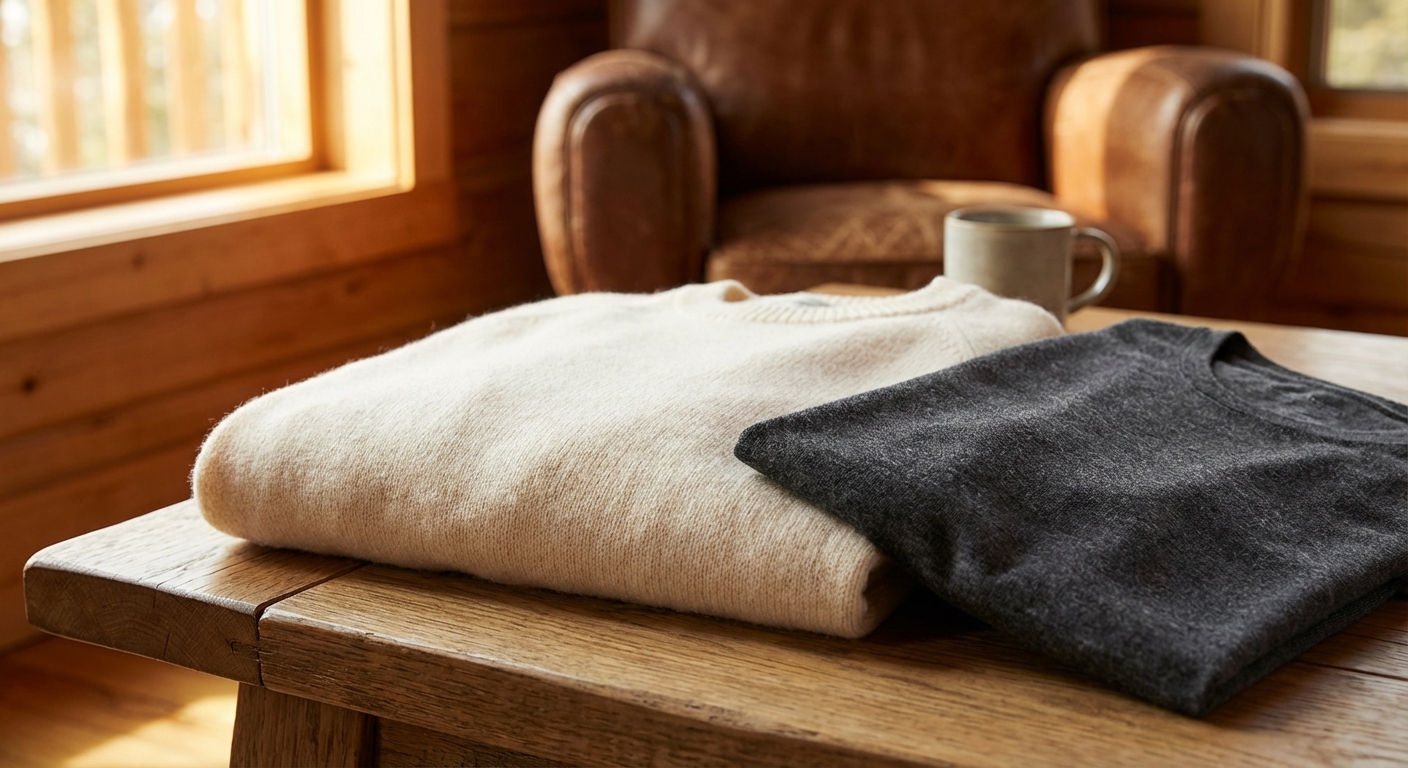
Merino wool has transformed how digital nomads pack. One merino t-shirt can replace two or three cotton shirts—wear it for days without odor, wash it in a sink, and wear it again hours later.
But with dozens of brands claiming to offer the best merino, choosing becomes overwhelming. Prices range from $40 to $100+ for a single t-shirt. Quality varies dramatically.
After testing merino clothing from every major brand across years of travel, here's the honest breakdown of which brands actually deliver—and which are overpriced or underperforming.
Quick Navigation:
- Why Merino Matters for Travel
- How We Evaluated
- The Best Merino Brands
- Brand Comparison
- What to Buy First
- FAQ
Why Merino Matters for Travel
Before diving into brands, understanding why merino dominates travel clothing explains what to look for.
The Science of Merino
Merino wool fibers are 1/3 the diameter of human hair. This creates several properties that make it ideal for travel:
Odor resistance: Merino's lanolin (natural oil) and fiber structure prevent bacteria from colonizing. Bacteria cause odor—no bacteria, no smell. Many travelers wear merino for 5-7 days between washes without noticeable odor.
Temperature regulation: Merino fibers trap air in tiny pockets, providing insulation when cold. When hot, the same fibers wick moisture and allow airflow. One shirt works from 40°F to 90°F.
Moisture management: Merino absorbs up to 30% of its weight in moisture before feeling wet. It then releases that moisture as vapor. You stay dry and comfortable during sweat-inducing activities.
Quick drying: Despite absorbing moisture, merino dries faster than cotton. A sink-washed shirt is wearable within 8-12 hours.
Wrinkle resistance: Merino fibers naturally spring back to shape. Pull a shirt from your pack—shake it out, wear it.
The Trade-off: Price
Quality merino costs 3-5x more than cotton. A $70 shirt seems absurd until you realize:
- It replaces 2-3 cotton shirts in your pack
- It lasts 3-5 years with proper care
- It eliminates mid-trip laundry emergencies
- It performs in any climate
The upfront investment delivers long-term value for travelers. For complete wardrobe strategy, see our capsule wardrobe guide.
How We Evaluated
Each brand was tested across multiple criteria that matter for travel:
| Criteria | Weight | Why It Matters |
|---|---|---|
| Odor resistance | 25% | Core merino benefit for travel |
| Durability | 20% | Must survive years of use |
| Comfort/feel | 20% | All-day wearability essential |
| Fit/style | 15% | Should look good, not just perform |
| Quick-dry speed | 10% | Enables sink-washing |
| Value | 10% | Price vs. quality delivered |
Testing Methodology
Each shirt was worn for extended periods across different climates:
- 5+ consecutive days without washing
- Multiple sink-wash cycles
- Various temperature conditions (60°F to 95°F)
- Both active (hiking, gym) and sedentary (work, flights) use
The Best Merino Brands
Wool&Prince — Best Overall
The verdict: If you only buy from one brand, make it Wool&Prince.
Wool&Prince pioneered the premium merino travel shirt category and remains the benchmark. Their signature blend (78% merino, 22% nylon) delivers the ideal balance between merino's natural benefits and nylon's durability.
What sets them apart:
- Exceptional odor resistance—consistently the longest wear before noticeable smell
- Fit that flatters without being tight
- Fabric that looks like regular casual wear, not outdoor gear
- Remarkable durability despite the soft feel
Product range: T-shirts, button-downs, polos, henleys, pants Price range: $68-$128 Best for: Travelers who want the category's best and will pay for it
Unbound Merino — Best Value in Premium
The verdict: 90% of Wool&Prince quality at 70% of the price.
Unbound Merino delivers pure 100% merino (no synthetic blend) at accessible prices. The 17.5-micron wool is genuinely soft—comparable to more expensive options.
What sets them apart:
- 100% merino (some prefer this to blends)
- Competitive pricing without quality sacrifice
- Clean, minimalist aesthetic
- Excellent V-neck option for layering
Product range: T-shirts, long sleeves, underwear Price range: $55-$75 Best for: Value-conscious travelers who want quality merino without premium pricing
Smartwool — Best for Active Travel
The verdict: The choice for travelers who are as active as they are mobile.
Smartwool comes from the outdoor industry, and it shows. Their merino is engineered for performance—hiking, running, and gym sessions. But it works equally well for everyday wear.
What sets them apart:
- Athletic fit that moves with you
- Strategic ventilation panels in key areas
- Flatlock seams that eliminate chafing
- Proven durability from outdoor heritage
Product range: Base layers, t-shirts, underwear, socks (exceptional socks) Price range: $45-$90 Best for: Travelers who hike, work out, or prioritize active adventures
Icebreaker — Best Sustainability Focus
The verdict: Premium quality with genuine environmental commitment.
Icebreaker was the first to bring merino from outdoor niches to mainstream. Their ZQ-certified wool comes from New Zealand farms with strict animal welfare and environmental standards.
What sets them apart:
- Complete supply chain transparency
- Widest color and style selection
- Corespun construction for durability
- Consistent quality across product line
Product range: Full clothing line including outerwear Price range: $60-$150 Best for: Travelers who prioritize ethical sourcing and environmental impact
Ridge Merino — Best Budget Entry
The verdict: The gateway drug to merino at prices anyone can try.
Ridge Merino removes the financial barrier to discovering merino's benefits. Their quality exceeds what the price suggests—these aren't "cheap" merino, they're value-engineered merino.
What sets them apart:
- Sub-$50 price point
- Quality materials (17.5-micron merino)
- Simple, effective designs
- Perfect for testing the category
Product range: T-shirts, long sleeves, base layers Price range: $40-$55 Best for: Merino newcomers or budget-focused travelers
OLIVERS — Best Style-Forward
The verdict: For those who refuse to look like they're wearing "travel clothes."
OLIVERS targets the style-conscious traveler. Their merino blends look like premium casual wear you'd find at high-end retailers—not outdoor gear stores.
What sets them apart:
- Elevated designs (henleys, refined cuts)
- Premium fabric drape and structure
- Looks appropriate in upscale settings
- Performance hidden in stylish package
Product range: Shirts, pants, shorts Price range: $78-$148 Best for: Style-conscious professionals, urban travelers
Brand Comparison
| Brand | Price Range | Merino % | Best For | Durability | Style |
|---|---|---|---|---|---|
| Wool&Prince | $68-128 | 78% | Overall best | Excellent | Casual+ |
| Unbound Merino | $55-75 | 100% | Value seekers | Very Good | Minimal |
| Smartwool | $45-90 | 87% | Active travel | Excellent | Athletic |
| Icebreaker | $60-150 | 100% | Sustainability | Very Good | Outdoor+ |
| Ridge Merino | $40-55 | 87% | Budget entry | Good | Basic |
| OLIVERS | $78-148 | Blend | Style focus | Very Good | Premium |
Odor Resistance Ranking
Based on extended wear testing (days worn before noticeable odor):
- Wool&Prince — 7+ days consistently
- Icebreaker — 6-7 days
- Unbound Merino — 5-6 days
- Smartwool — 5-6 days
- OLIVERS — 4-5 days
- Ridge Merino — 4-5 days
All brands outperform cotton significantly. The differences between brands matter less than the difference from non-merino.
What to Buy First
If you're new to merino, here's the recommended purchase sequence:
First Purchase: T-Shirts
T-shirts deliver the most noticeable merino benefits. Start with 1-2 shirts from your chosen brand.
Recommended:
- Wool&Prince Crew Neck (if budget allows)
- Unbound Merino Crew (value option)
- Ridge Merino Journey (budget test)
Second Purchase: Underwear
Quick-dry, odor-resistant underwear transforms travel. Pack 3-4 pairs and you're covered indefinitely.
Recommended:
- Unbound Merino Boxer Briefs
- Smartwool Merino Sport
- Wool&Prince Boxers
Third Purchase: Socks
Merino socks prevent blisters, regulate temperature, and resist odor.
Recommended:
- Darn Tough (lifetime warranty, best durability)
- Smartwool (excellent cushioning)
- Icebreaker (varied weights)
Fourth Purchase: Long Sleeves
A long-sleeve merino adds layering versatility without weight.
Recommended:
- Wool&Prince Long Sleeve Crew
- Smartwool Merino 150 Long Sleeve
- Icebreaker Tech Lite Long Sleeve
For complete wardrobe building, see our ultimate packing list.
Care Tips for Longevity
Proper care extends merino lifespan from 2 years to 5+ years:
Washing
- Machine wash cold on gentle cycle
- Use wool-specific detergent (Eucalan, Wool & Cashmere)
- Avoid fabric softener (coats fibers)
- Wash inside-out for print longevity
Drying
- Air dry whenever possible (extends life dramatically)
- Lay flat to dry (prevents stretching)
- Low heat tumble only when necessary
- Never high heat
Storage
- Fold rather than hang (prevents shoulder stretching)
- Cedar blocks deter moths
- Store clean (body oils attract pests)
Pilling
Some pilling is normal with 100% merino. Use a fabric shaver or sweater stone to remove pills and restore appearance.
FAQ
Is merino worth the high price?
For travel clothing, absolutely. When one shirt replaces 2-3, lasts 3-5 years, and performs in any climate, the per-wear cost beats cotton. Start with one piece to test before committing fully.
100% merino or blends—which is better?
Both have advantages:
- 100% merino: Maximum softness, natural properties, slightly less durable
- Merino blends (nylon, polyester): More durable, slightly less soft, often better value
For travel, blends often provide better longevity. For ultimate comfort, pure merino.
How many days can you really wear merino?
Depends on activity level and individual body chemistry. Most travelers report 4-7 days between washes with no noticeable odor. Active days reduce this; sedentary work extends it.
Will merino shrink?
Quality merino is pre-treated to prevent shrinkage. Cold washing and air drying ensures dimensional stability. High heat drying can cause shrinkage in some products.
Which brand for a digital nomad starting out?
Budget-focused: Ridge Merino (lowest risk entry point) Quality-focused: Wool&Prince (best long-term value) Value-focused: Unbound Merino (quality at reasonable price)
Do I need different weights for different climates?
Merino's temperature regulation handles most climates. However:
- Lightweight (130-150 gsm): Best for hot climates
- Midweight (180-200 gsm): Most versatile, year-round
- Heavyweight (250+ gsm): Cold weather base layers
Most travelers do well with midweight as their core.
The Verdict
For most digital nomads: Start with Wool&Prince or Unbound Merino.
Wool&Prince delivers the category's best combination of durability, odor resistance, and style. If budget matters, Unbound Merino provides 90% of the quality at 70% of the price.
If you're testing merino for the first time: Ridge Merino's sub-$50 shirts remove financial risk while delivering genuine merino benefits.
If active travel is your priority: Smartwool's athletic heritage shows in their performance-focused designs.
If sustainability matters deeply: Icebreaker's transparent supply chain and ethical sourcing justify the premium.
The best brand is the one you'll actually wear. Choose based on your priorities, start with 1-2 pieces, and expand as you experience merino's transformation of how you pack and travel.
Related guides: