Mexico City Digital Nomad Guide: North America's Best Value Hub
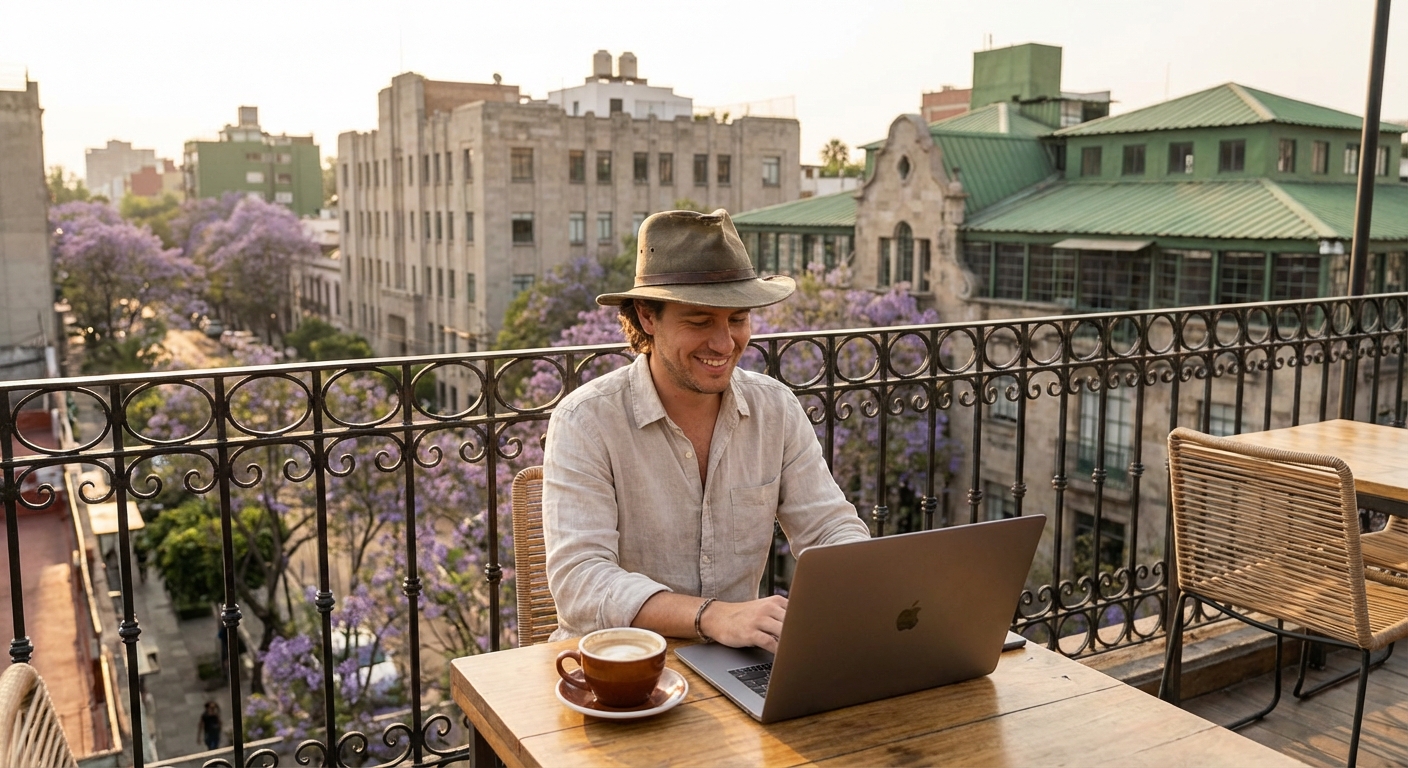
Mexico City has emerged as one of the most compelling digital nomad destinations in the Americas, combining first-world infrastructure with developing-world costs—all while sitting in US and Canadian timezones. The city delivers what few destinations can: genuine cultural richness, excellent food, reliable internet, and a thriving international nomad community, all at prices 40-60% lower than comparable US cities.
The numbers make the case clearly: a comfortable lifestyle in CDMX runs $1,500-2,000 monthly, including a nice apartment in a trendy neighborhood, regular restaurant meals, coworking access, and enough margin for enjoying one of the world's great food cities. For North American remote workers, the timezone alignment eliminates the schedule gymnastics that Asian destinations require, while the 3-4 hour flight from most US cities makes spontaneous trips home straightforward.
But Mexico City isn't just about cost savings and convenience. This is a metropolis of 22 million people with world-class museums, architecture spanning centuries, neighborhoods with distinct personalities, and a food scene that rivals any global city. The challenge isn't finding things to do—it's choosing among abundant options.
Mexico City at a Glance
In this guide:
- Why Mexico City for Digital Nomads
- Cost of Living Breakdown
- Best Neighborhoods
- Coworking Spaces
- Internet and Connectivity
- Visa and Legal Considerations
- Safety and Practical Tips
- Food and Social Scene
- When to Visit
For the complete global overview, see our best digital nomad destinations 2026 guide.
Why Mexico City for Digital Nomads
Mexico City's appeal for remote workers comes down to a rare combination of factors that few other destinations match.
Timezone Advantage
For anyone working with US or Canadian clients, CDMX operates in Central Time (UTC-6), meaning zero timezone adjustment from major US metros. You can take a 9am call with New York at 8am local, or a 2pm call with LA at 4pm. This alignment isn't just convenient—it's a fundamental quality-of-life factor that enables normal work schedules and social lives.
Compare this to Bali (13 hours ahead of EST) or Thailand (12 hours ahead), where US-aligned work means nocturnal schedules. The timezone factor alone makes Mexico City the logical choice for North American remote workers who can't fully escape their clients' hours.
Value Proposition
Mexico City delivers genuine first-world infrastructure at a fraction of first-world prices. Modern apartments in desirable neighborhoods, reliable fiber internet, world-class restaurants, and functioning public transport—all at costs that would seem impossibly low in Austin, Denver, or Miami.
The arbitrage is real: a lifestyle that might cost $4,000-5,000 monthly in a mid-tier US city runs $1,500-2,000 in CDMX's best neighborhoods. That's not survival-mode budget living—that's eating out regularly, enjoying the cultural scene, and still saving money.
Cultural Depth
Unlike purpose-built expat enclaves, Mexico City is a genuine global metropolis with centuries of history. Pre-Hispanic ruins sit alongside colonial architecture and contemporary design. The museum scene rivals Paris or New York. The food culture spans street vendors to Michelin-starred restaurants. Weekend trips access Pacific beaches, mountain towns, and archaeological sites.
You're not living in a tourism bubble—you're participating in one of the world's great cities.
Cost of Living Breakdown
Here's what a comfortable digital nomad lifestyle actually costs in Mexico City, based on current 2026 prices:
| Category | Budget | Average | Comfortable |
|---|---|---|---|
| Accommodation | $600-800 | $900-1,200 | $1,500-2,000 |
| Food | $250-350 | $400-500 | $600-800 |
| Coworking | $100-150 | $150-200 | $250-300 |
| Transport | $50-80 | $80-120 | $150-200 |
| Entertainment | $100-150 | $150-250 | $300-400 |
| Utilities/Phone | $50-80 | $80-100 | $100-150 |
| Monthly Total | $1,150-1,600 | $1,760-2,370 | $2,900-3,850 |
Accommodation Notes
The range reflects real options. Budget gets you a decent studio in a slightly less central location or a room in a shared apartment in Roma or Condesa. Average secures a proper one-bedroom in the desirable neighborhoods. Comfortable means a large, modern apartment with amenities in prime locations.
Furnished apartments dominate the market, making moves straightforward. Monthly rentals run 20-30% more than long-term leases but offer flexibility. Facebook groups and local platforms (Inmuebles24, Metros Cúbicos) typically beat Airbnb on price for stays beyond a few weeks.
For comprehensive strategies on finding, negotiating, and securing accommodation, see our Complete Digital Nomad Accommodation Guide.
Food Notes
Mexico City is a food paradise at every price point. Street tacos cost $1-2 each. Solid restaurant lunches run $6-10. Nice dinners at quality restaurants typically stay under $25-35 including drinks. The food scene here rivals far more expensive cities, making eating out economically rational in ways it isn't in most places.
Cooking at home makes less financial sense than in higher-cost destinations—the restaurant value is simply too good.
Best Neighborhoods
Mexico City's neighborhoods have distinct personalities. Here's where most digital nomads land:
Roma Norte
Roma Norte delivers the sweet spot for most nomads: walkable streets lined with trees, excellent restaurant and cafe density, reasonable prices, and strong infrastructure. The neighborhood attracts a mix of young professionals, artists, and internationals without feeling like an expat bubble.
Pros
- Highest concentration of cafes and restaurants in the city
- Walkable to Condesa, Juárez, and Centro Histórico
- Strong mix of locals and internationals
- Multiple coworking options within walking distance
- Architecture ranges from Art Deco to Porfiriato-era mansions
Cons
- Can feel crowded on weekends
- Some streets have nightlife noise
- Prices have risen significantly in recent years
- Gentrification has created some local tension
Budget: $700-1,200/month for a furnished studio or one-bedroom
Condesa
Adjacent to Roma Norte, Condesa offers a slightly more residential feel with beautiful parks (Parque México, Parque España), Art Deco architecture, and equally excellent food and cafe options. The neighborhood skews slightly more upscale than Roma Norte.
Pros:
- Beautiful tree-lined streets and parks
- Excellent running and walking paths
- Strong cafe culture
- Slightly quieter than Roma Norte
- Very safe and walkable
Cons:
- Highest prices in the nomad-friendly zone
- Less diverse—skews more expat/international
- Can feel removed from "real" Mexico City
Budget: $900-1,500/month for a furnished studio or one-bedroom
Juárez
Juárez sits between Roma Norte and the Centro Histórico, offering a more urban feel with good accessibility and lower prices. The neighborhood has gentrified significantly but retains more edge than Roma or Condesa.
Pros:
- Lower prices than Roma/Condesa for similar quality
- Walking distance to both Roma and Centro
- More local feel, fewer tourists
- Near major transit (Reforma corridor)
- Excellent street food scene
Cons:
- Requires more neighborhood knowledge for safety
- Fewer polished cafes and coworking spaces
- Some blocks feel rougher
Budget: $600-1,000/month for furnished housing
Coyoacán
Further south, Coyoacán offers a village-within-the-city atmosphere. Home to UNAM (the national university), the Frida Kahlo museum, and beautiful colonial architecture, it's ideal for those seeking a quieter, more artistic environment.
Pros:
- Lower costs than central neighborhoods
- Strong cultural and artistic scene
- Historic architecture and plazas
- Near major parks and green space
- UNAM campus offers cafes, libraries, culture
Cons:
- Distance from other nomad zones (30-45 minutes to Roma)
- Fewer coworking options
- Less nightlife
Budget: $500-900/month for furnished housing
Coworking Spaces
Mexico City's coworking scene has matured significantly. Options range from international chains to local spots with distinct personalities.
WeWork
Multiple locations across the city (Roma, Polanco, Santa Fe, Reforma). The standard WeWork experience: professional environment, reliable internet, good amenities, higher prices. Hot desk runs $200-250/month; dedicated desk $300-400.
Best for: Video calls, professional atmosphere, meeting clients
Público
A local favorite with locations across Roma Norte, Condesa, Juárez, and Polanco. Público offers excellent design, strong community, and reasonable prices. Day passes available. Monthly membership around $190-320 for hot desk access.
Best for: Meeting other nomads and locals, aesthetic workspace
Homework
Coworking plus coliving in Condesa. Strong community focus with events and social programming. Monthly coworking from $100-150. Good option if you want built-in social connection.
Best for: New arrivals wanting community, longer stays
Selina
The chain has multiple CDMX locations combining hostel, coworking, and social space. More traveler-focused than professional, but the Roma location has decent workspace. Day passes available.
Best for: Budget conscious, meeting other travelers
Cafes for Working
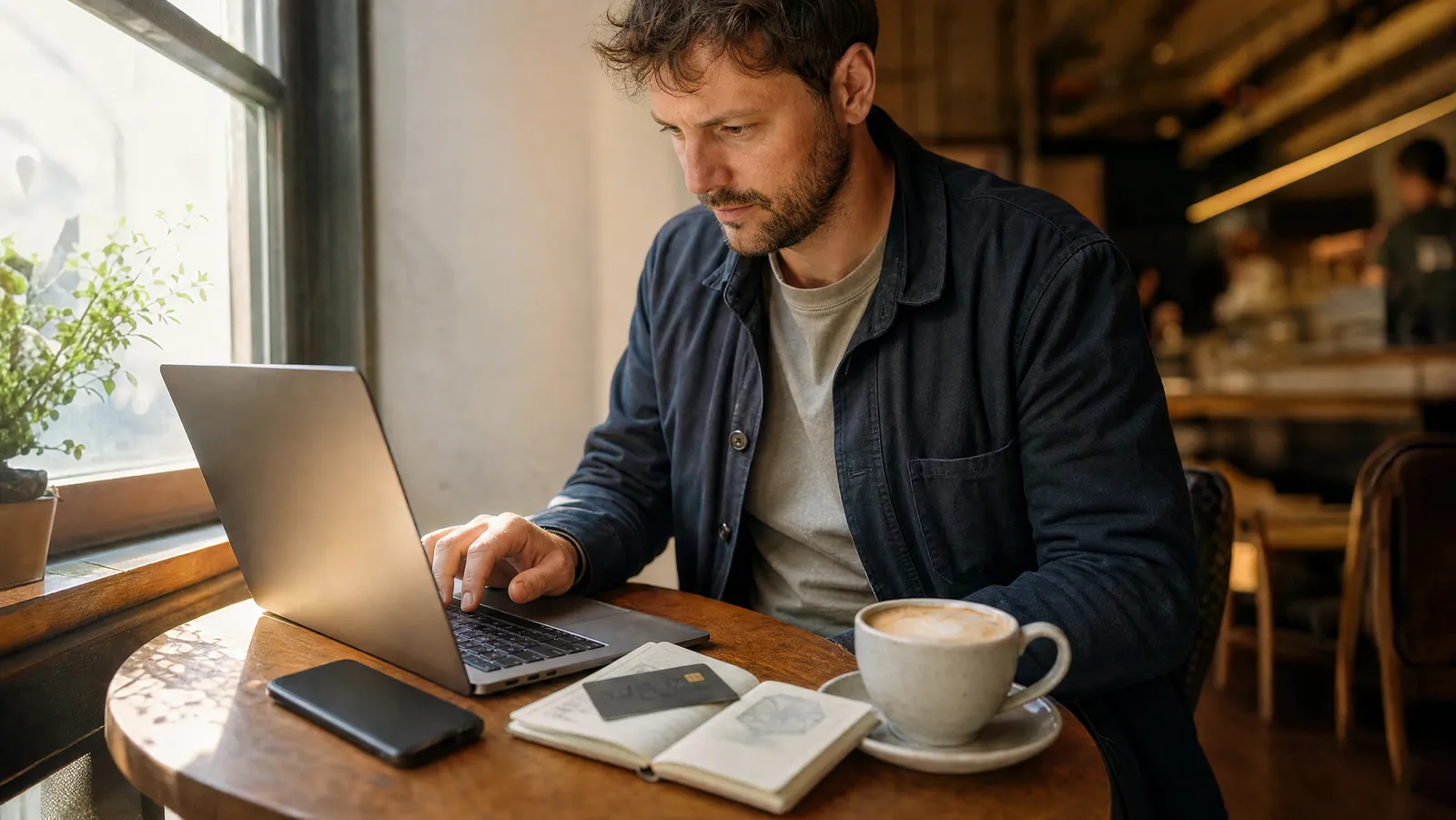
Mexico City's cafe culture supports laptop work better than most cities. Popular spots include:
- Chiquitito Cafe (Roma Norte) - Excellent coffee, power outlets, WiFi
- Blend Station (Multiple locations) - Specialty coffee, work-friendly
- Almanegra (Roma Norte) - Good ambiance, natural light
- Cardinal Casa de Café (Roma Norte) - Solid workspace, strong drinks
Most cafes tolerate laptop work during non-peak hours. Ordering regularly and tipping well keeps you welcome.
Internet and Connectivity
Mexico City's internet infrastructure has improved dramatically. Fiber is widely available in central neighborhoods, and mobile data provides solid backup.
Home Internet
Fiber connections delivering 100-300 Mbps are standard in Roma, Condesa, and adjacent neighborhoods. Telmex and Izzi are the main providers. When apartment hunting, verify the specific unit's connection rather than trusting building claims.
Typical speeds: 80-200 Mbps down, 20-50 Mbps up in quality apartments
Mobile Data
Telcel dominates coverage and reliability. Prepaid plans offering 10-20GB monthly run $15-25. Data is cheap enough to serve as viable backup or primary connection for lighter use.
For the best connectivity setup, see our WiFi and connectivity guide and best eSIM for digital nomads.
Coworking Reliability
Professional coworking spaces maintain fiber connections with backup. Speeds typically run 100-200 Mbps. WeWork and Público both offer reliable connectivity for video calls and heavy upload/download work.
Visa and Legal Considerations
Mexico offers straightforward visa access for most nationalities, though the gray area around remote work requires understanding.
Tourist Entry
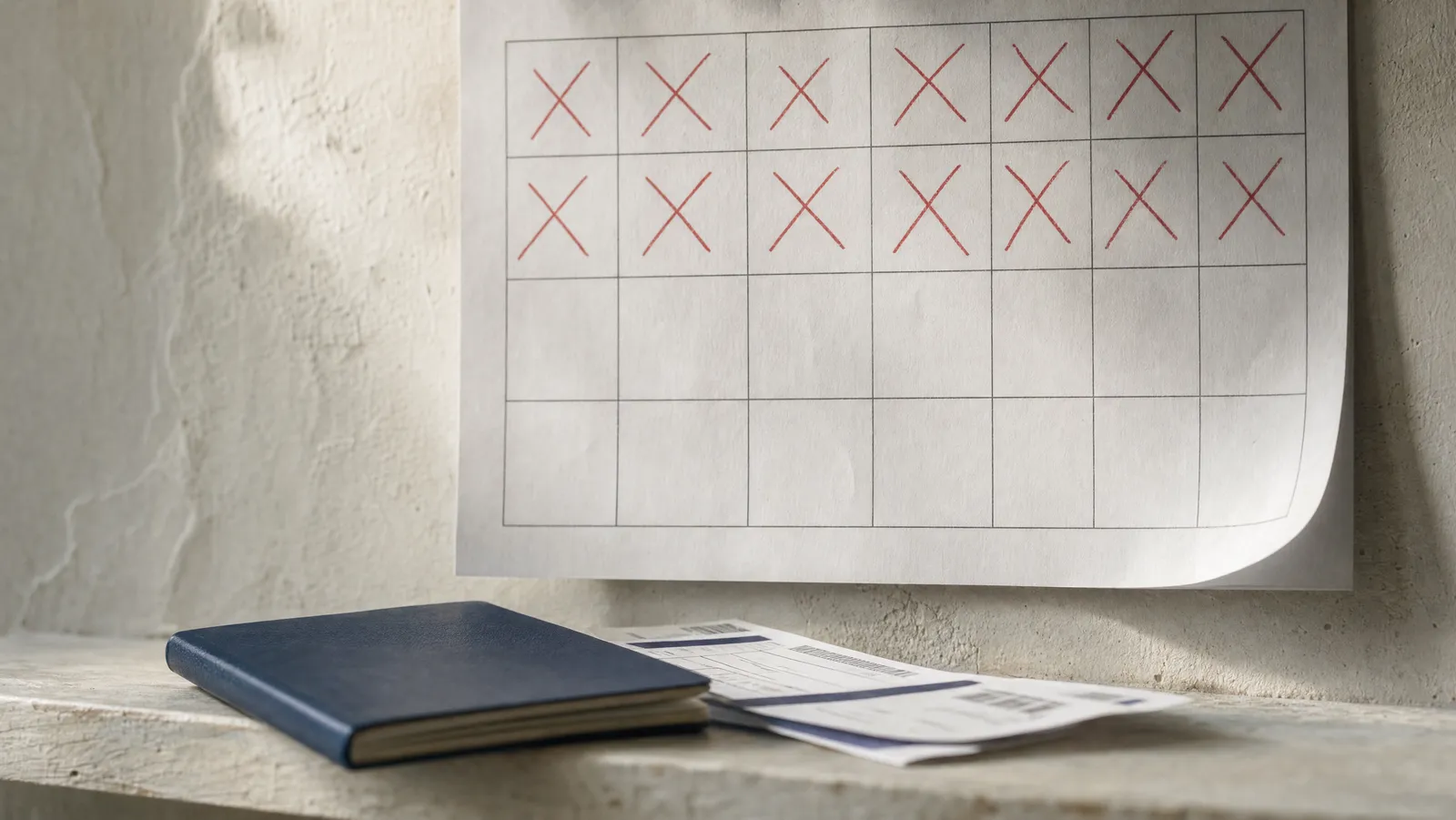
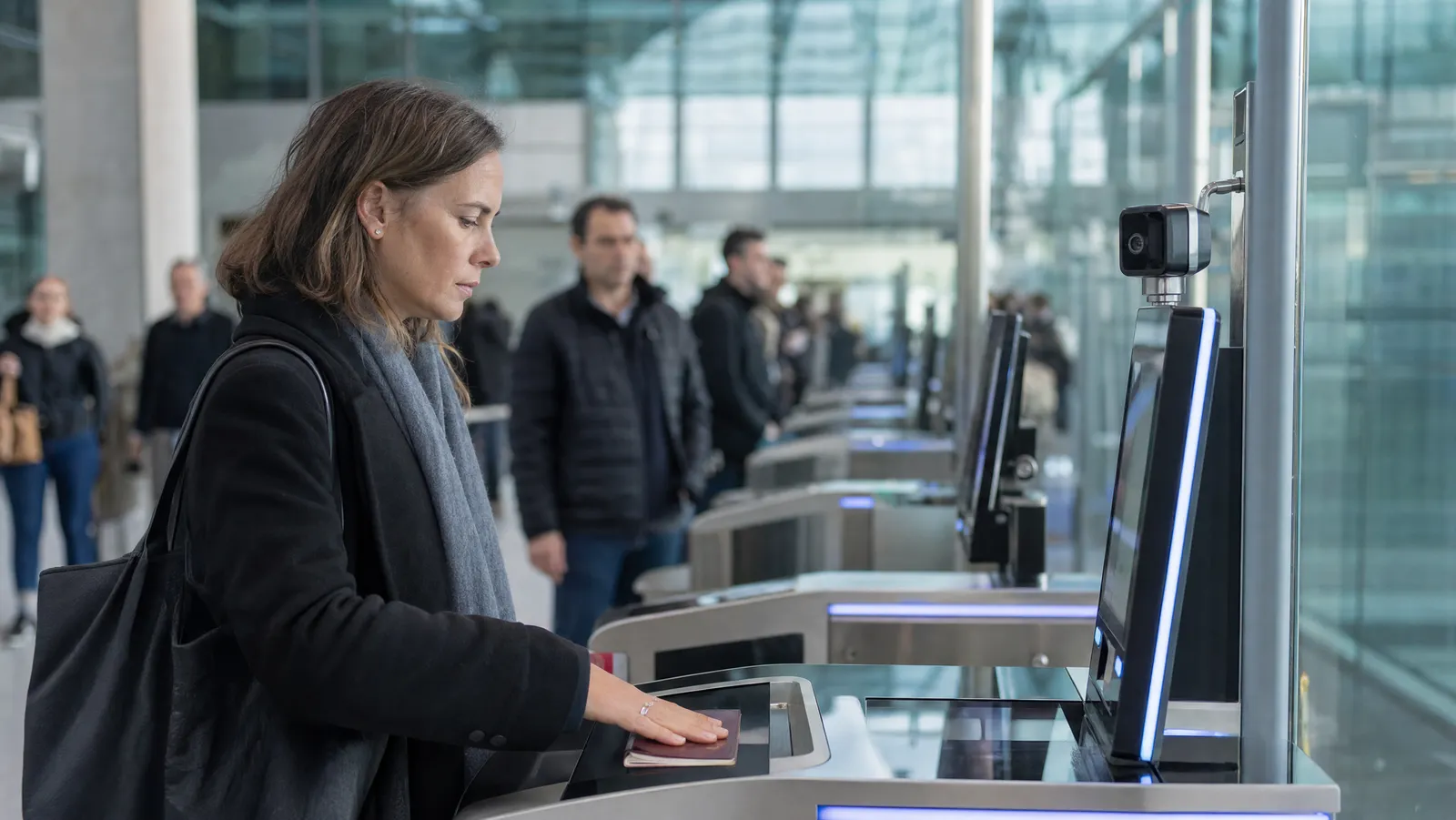
Citizens of the US, Canada, EU, UK, Australia, and many other countries receive 180 days on arrival—no visa required. The FMM (tourist card) is filled out on arrival or increasingly handled electronically.
Maximize Your Entry Duration
Immigration officers have discretion on duration granted. Most receive the full 180 days, but some report receiving less. Having a return ticket (even if flexible) and proof of accommodation significantly improves your chances of getting the full 180 days.
Official source: Instituto Nacional de Migración
Legal Gray Area
Technically, working remotely for foreign clients while on a tourist visa exists in legal gray area—similar to most countries. Mexico doesn't have a dedicated digital nomad visa (as of early 2026), but enforcement against remote workers for foreign employers is essentially nonexistent.
The practical guidance: don't mention "work" at immigration, don't take Mexican clients or employment, and treat your stay as tourism that happens to include laptop time.
Temporary Resident Visa
For stays beyond 180 days or for those wanting clearer legal status, the Temporary Resident visa allows 1-4 year stays with multiple entries. Requirements include proof of consistent monthly income (approximately $4,200/month in 2025-2026) over the past six months, or savings of approximately $73,000 USD over the past twelve months. Requirements vary by consulate and are indexed to Mexico's minimum wage, so amounts change annually. Application must be made at a Mexican consulate before traveling.
Visa Runs
If you want to stay longer than 180 days without Temporary Residency, border runs are possible. Flights to Guatemala, Belize, or the US reset your entry. However, frequent entries can attract scrutiny. The cleaner approach for extended stays is pursuing Temporary Residency.
Safety and Practical Tips
Mexico City's safety situation is more nuanced than headlines suggest. The practical reality for nomads in central neighborhoods differs dramatically from cartel violence in other regions.
Safety Reality Check
Roma, Condesa, Coyoacán, and similar nomad-friendly neighborhoods are genuinely safe with normal urban awareness. Street crime exists at rates comparable to major US or European cities. The cartel violence in headlines typically occurs in other regions, not in central CDMX neighborhoods.
Reality Check
Roma, Condesa, Coyoacán, and similar neighborhoods are genuinely safe for normal urban awareness. Street crime exists but at rates comparable to major US or European cities. Violent crime affecting foreigners in tourist zones is rare.
That said, Mexico City is a 22-million-person metropolis. Basic urban awareness applies:
- Don't flash expensive items
- Use Uber or Didi rather than street hailing at night
- Stay aware in crowds (pickpocketing exists)
- Learn which areas to avoid (some neighborhoods require local knowledge)
Practical Tips
Language: Spanish helps significantly. You can survive without it in nomad zones, but basic Spanish dramatically improves daily life, safety, and cultural access. Apps like Uber and food delivery work in English.
Water: Don't drink tap water. Bottled or filtered water is standard. Most apartments have garrafónes (large water jugs) or filters.
Altitude Adjustment
CDMX sits at 2,240m (7,350 ft). Many arrivals experience mild altitude effects for 1-3 days—fatigue, headaches, shortness of breath during exertion. Go easy on arrival, hydrate, and limit alcohol the first few days.
Earthquake: Mexico City experiences earthquakes. Know evacuation routes, identify safe zones in your building, and follow local guidance during tremors.
Air Quality: Air quality varies seasonally. The dry season (November-April) can see elevated pollution. Check air quality indexes if you have respiratory sensitivity.
Food and Social Scene
Mexico City's food scene alone justifies living here. From street corners to world-ranked restaurants, the culinary depth is extraordinary.
Street Food
Taco stands, torta carts, and market stalls deliver some of the best food in the city at the lowest prices. Tacos al pastor, suadero, carnitas, and barbacoa are foundational. Quality varies—follow crowds and look for high turnover.
Budget: $2-5 for a filling meal
Casual Restaurants
Fondas (family-run lunch spots) offer comida corrida—set menus with soup, main, dessert, and drink for $4-7. Taquerías, cenadurías, and casual restaurants throughout Roma and Condesa deliver excellent meals under $10.
Fine Dining
Mexico City has emerged as a global culinary destination. Pujol, Quintonil, and Contramar rank among the world's best restaurants. Reservations are essential for top spots, but the pricing remains reasonable by international standards—$80-150 per person at peak restaurants compared to $300+ at equivalent NYC or London spots.
Social Scene
The nomad community in CDMX is substantial without feeling insular. Meetup groups, coworking events, and informal gatherings provide easy social entry. The blend of locals, nomads, and longer-term expats creates more diverse social opportunities than pure nomad hubs.
Popular spots include:
- Coworking events at Público and Homework
- Language exchange meetups
- Running clubs in Condesa parks
- Mezcal bars and rooftop scenes in Roma
When to Visit
Mexico City's climate is remarkably consistent, making it viable year-round with some seasonal considerations.
Dry Season (November-April)
Sunny days, cooler evenings, minimal rain. The most popular period for visitors. Temperatures range from 60-75°F (15-24°C). December-January can be cooler, especially at night.
Best months: November, February, March
Rainy Season (May-October)
Afternoon thunderstorms are typical—usually intense but brief. Mornings tend clear. Temperatures stay pleasant (65-77°F / 18-25°C). The city is greener, prices may be slightly lower, and crowds thin.
Best months: May, October (shoulder season)
Major Events
- Día de los Muertos (late October-early November): Spectacular cultural celebration, book accommodations early
- Mexican Independence (September 15-16): Major festivities, city energy peaks
- Holy Week (varies): Many locals travel, some services limited
Your Next Steps
Mexico City delivers a rare combination: genuine global city, first-world infrastructure, developing-world costs, and timezone compatibility with North American clients. For US and Canadian remote workers, it's the obvious first choice outside the States.
If you're considering CDMX:
- Start with Roma Norte or Condesa - The highest concentration of nomad infrastructure in the most walkable, safest neighborhoods
- Book 2-4 weeks initially - Long enough to find better housing if you want to stay, short enough to leave if it's not right
- Join local communities early - Coworking memberships and meetups provide social foundation
- Learn basic Spanish - Even minimal effort dramatically improves the experience
For related destination options, see our best budget digital nomad destinations for lower-cost alternatives, or our best digital nomad destinations in Latin America section for regional comparisons.
For gear preparation, our ultimate digital nomad packing list covers everything you'll need.
About the Author