Digital Nomad Packing List for Cold Weather: Winter Travel Essentials
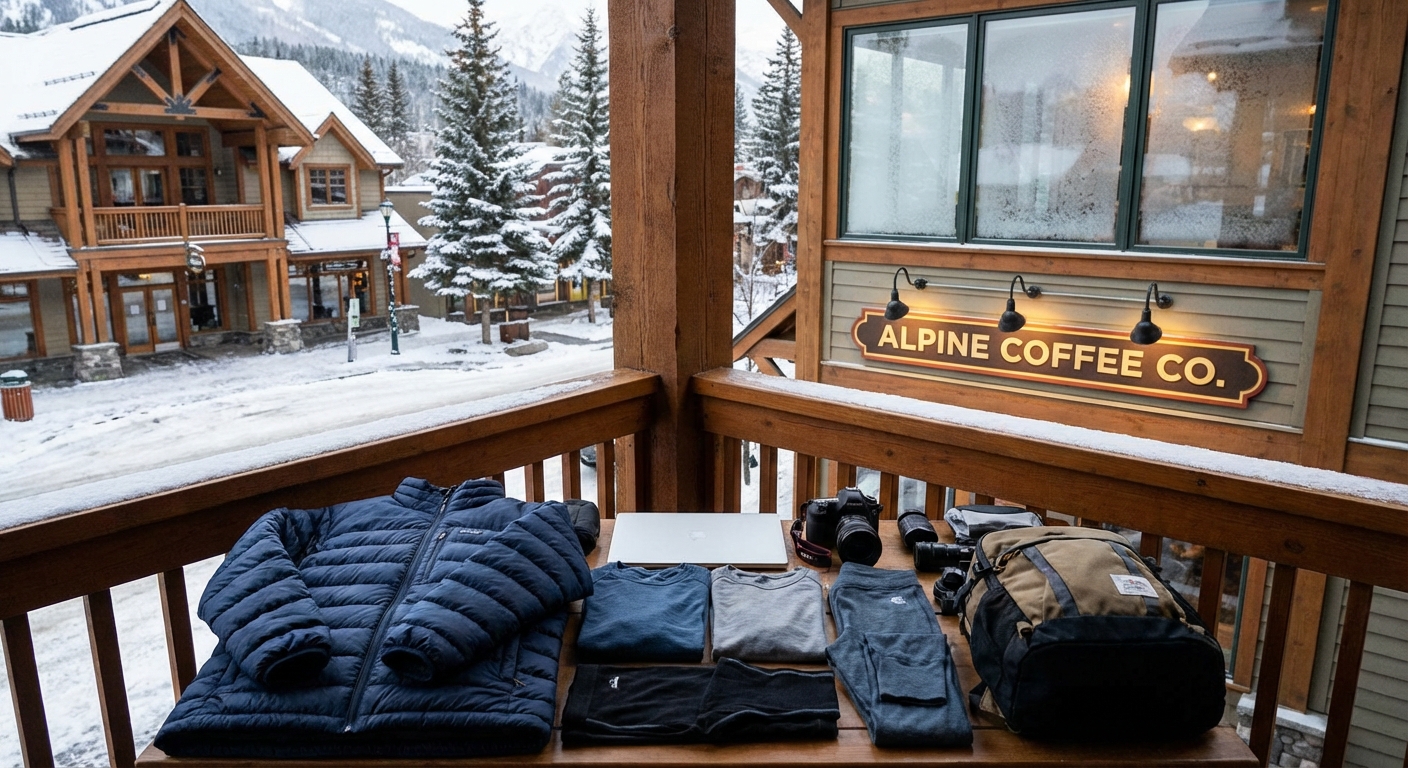

Working through a European winter or exploring mountain destinations requires different gear than tropical nomading. Cold weather demands strategic layering, protection from the elements, and smart packing to stay mobile despite bulkier clothing.
The challenge: staying warm without packing like you're summiting Everest. This guide covers exactly what to add (and how to layer) for cold weather digital nomad travel—whether you're working from Berlin in January or exploring Patagonia.
Quick Navigation:
- The Layering System
- Cold Weather Additions
- Complete Cold Weather Packing List
- Destination Considerations
- Keeping Your Gear Warm
- FAQ
The Layering System
Cold weather packing isn't about bringing the warmest jacket. It's about strategic layering that adapts to changing conditions.
Why Layering Works
Layers trap air between them, creating insulation. More layers = more trapped air = more warmth. But the magic is adaptability:
- Cold morning walk: All layers
- Crowded metro: Remove outer layer
- Heated café: Down to base layer
- Snowy evening: Back to full layers
One warm jacket offers no flexibility. Four lighter layers handle any scenario.
The Three-Layer System
Layer 1: Base Layer Purpose: Moisture management, next-to-skin comfort
The base layer wicks sweat away from skin. Wet skin gets cold fast—your base layer prevents this. Merino wool excels here: it manages moisture while providing light insulation.
Layer 2: Insulating Layer Purpose: Heat retention
The insulating layer traps warm air. Options include:
- Fleece (breathable, quick-drying)
- Down (warmest-to-weight ratio)
- Synthetic insulation (works when wet)
Layer 3: Outer Shell Purpose: Wind and precipitation protection
The shell blocks wind (which strips heat) and sheds rain/snow. It doesn't need to provide warmth—that's the insulating layer's job. Gore-Tex or similar waterproof-breathable fabric is ideal.
Putting It Together
| Temperature | Layering |
|---|---|
| 40-50°F (5-10°C) | Base + light fleece |
| 30-40°F (0-5°C) | Base + insulating layer |
| 20-30°F (-5 to 0°C) | Base + insulating + shell |
| Below 20°F (below -5°C) | Heavy base + insulating + shell + accessories |
This system works from London's damp 40°F to Prague's -10°F—with the same pieces.
Cold Weather Additions
Beyond standard packing (see our ultimate packing list), cold weather requires specific additions.
Essential Additions
Heavyweight Base Layer (Top + Bottom)
Your standard merino t-shirts won't cut it below freezing. Upgrade to 200-250 weight merino:
- Provides genuine insulation, not just moisture management
- The bottom layer protects legs during extended outdoor time
- Look for Smartwool 250 or Icebreaker 260
Packable Insulating Jacket
The Patagonia Nano Puff or similar synthetic insulation:
- Packs smaller than a water bottle
- Maintains warmth when damp (unlike down)
- Layers under shells or wears alone
- Handles 25-45°F comfortably alone
Waterproof/Windproof Shell
For rain, snow, and wind:
- Gore-Tex or equivalent membrane
- Pit zips for ventilation
- Hood that fits over a beanie
- Consider: Arc'teryx Beta LT, Outdoor Research Foray
Winter Accessories
| Item | Why Essential | Weight |
|---|---|---|
| Warm beanie | Keeps head and ears warm, prevents discomfort | 2 oz |
| Merino Buff | Multi-use neck/face protection | 2 oz |
| Liner gloves | Touch-screen compatible warmth | 2 oz |
| Warm gloves | Over liners for serious cold | 4 oz |
Cold Weather Footwear
Your trail runners won't handle snow and slush:
- Waterproof boots (Gore-Tex lined)
- Insulated options for sub-freezing
- Options: Merrell Moab, Salomon Quest, Blundstones (urban)
Nice-to-Have Additions
Packable Down Jacket
For extreme cold or as a supplement:
- Warmer than synthetic per weight
- More compressible
- But loses insulation when wet
- Consider if destinations include serious cold (below 10°F)
Hot Hands / Hand Warmers
Chemical warmers for emergency warmth:
- Pack flat, weigh nothing
- 8+ hours of heat
- Useful for extended outdoor time or cold accommodations
Microfiber Towel
For drying snow/slush from boots and gear:
- Small, packable
- Multi-use (gym, beach, snow)
Complete Cold Weather Packing List
Here's the full cold weather packing list, building on the standard capsule wardrobe from our capsule wardrobe guide.
Clothing
| Item | Quantity | Weight | Notes |
|---|---|---|---|
| Heavyweight merino base (top) | 1 | 0.5 lbs | 200-250 weight |
| Heavyweight merino base (bottom) | 1 | 0.4 lbs | Leggings style |
| Lightweight merino t-shirts | 2 | 0.5 lbs | Standard capsule |
| Long-sleeve merino | 1 | 0.3 lbs | Standard capsule |
| Button-down shirt | 1 | 0.4 lbs | Standard capsule |
| Versatile pants | 2 | 1.2 lbs | Tech fabric |
| Packable insulating jacket | 1 | 0.7 lbs | Nano Puff or similar |
| Waterproof shell | 1 | 1.0 lbs | Gore-Tex |
| Fleece or midlayer | 1 | 0.8 lbs | Optional extra insulation |
| Clothing Total | 5.8 lbs |
Accessories
| Item | Quantity | Weight | Notes |
|---|---|---|---|
| Warm beanie | 1 | 0.15 lbs | Merino or fleece |
| Merino Buff | 1 | 0.15 lbs | Multi-use |
| Liner gloves | 1 | 0.15 lbs | Touch-screen compatible |
| Insulated gloves | 1 | 0.25 lbs | Over liners for cold |
| Heavy merino socks | 2 | 0.35 lbs | Darn Tough |
| Standard merino socks | 2 | 0.2 lbs | Moderate weight |
| Accessories Total | 1.25 lbs |
Footwear
| Item | Quantity | Weight | Notes |
|---|---|---|---|
| Waterproof boots | 1 | 2.0 lbs | Worn, not packed |
| Indoor shoes or sandals | 1 | 0.5 lbs | Packed |
| Footwear Packed | 0.5 lbs |
Cold Weather Total
| Category | Weight |
|---|---|
| Clothing | 5.8 lbs |
| Accessories | 1.25 lbs |
| Footwear (packed) | 0.5 lbs |
| Cold Weather Additions | 7.55 lbs |
Add this to your tech essentials (~6 lbs) and organization (~3 lbs) for complete cold weather pack weight of approximately 16-17 lbs—still within carry-on limits.
Destination Considerations
European Winter (Nov-Mar)
Conditions: 25-45°F typically, wetter in Western Europe, drier/colder in Eastern Europe
Priority gear:
- Waterproof shell (essential for UK, Netherlands, coastal areas)
- Packable insulation (for indoor-to-outdoor transitions)
- Layering flexibility (heated interiors, cold exteriors)
Specific notes:
- European buildings are well-heated—you'll shed layers indoors
- Cobblestones + wet = slippery, choose boots with good grip
- Café culture means long stationary periods—stay warm sitting
Nordic Countries (Year-round cold)
Conditions: 10-35°F, shorter daylight, potential for serious cold snaps
Priority gear:
- Heavier base layers (250 weight minimum)
- Serious insulation (packable down + synthetic)
- Face protection (Buff essential)
Specific notes:
- Indoor heating is aggressive—huge temperature swings
- Outdoor time requires full layering
- Consider gaiters for deep snow exploration
Mountain Destinations (Elevation varies)
Conditions: Varies widely by altitude, weather changes quickly
Priority gear:
- Shell that handles sudden weather
- Layering for dramatic temperature shifts
- Sun protection (snow reflection, thinner atmosphere)
Specific notes:
- Weather can change in hours—pack for flexibility
- Higher altitude = colder even in "warm" seasons
- Mountain boots for trails, transitional shoes for towns
Japan (Winter months)
Conditions: 25-45°F in most cities, colder in Hokkaido
Priority gear:
- Waterproof but breathable (high humidity)
- Layers for heated interiors
- Clean indoor socks (shoes off constantly)
Specific notes:
- Pack extra socks—shoes come off everywhere
- Indoor heating varies widely (sometimes minimal)
- Compact packing matters on trains
Keeping Your Gear Warm
Cold weather creates challenges beyond clothing: your tech, batteries, and liquids all react to cold.
Protecting Electronics
Cold drains batteries and can damage screens:
- Keep devices in inner pockets (body heat)
- Power banks in insulated pouch when outside
- Let electronics warm gradually before heavy use
- Consider: insulated sleeve for laptop in extreme cold
Liquids and Toiletries
Freezing expands and bursts containers:
- Keep toiletry bag in main compartment (not outer pocket)
- In extreme cold, carry contact solution against body
- Check water bottle—ice expansion can crack it
Boots and Drying
Wet gear becomes cold gear:
- Stuff boots with newspaper overnight to absorb moisture
- Remove insoles to dry separately
- Use accommodation's heated areas strategically
- Pack small microfiber for wiping snow from gear
Layering Strategies for Work
Remote work in cold weather has unique considerations:
Café/Coworking
- Dress for the coldest part of your commute
- Carry a packable layer to adjust to indoor temps
- Expect to shed 1-2 layers upon arrival
- Keep feet warm—café floors are cold
Accommodation Work
- Heating varies wildly by location and price
- Budget stays may be cold—base layers help
- Consider: USB hand warmers during work sessions
- Thermal socks even indoors in cold buildings
Outdoor Work (Balconies, Parks)
- Full layering required
- Fingerless gloves for typing
- Thermal phone screen protectors prevent cold-touch issues
- Short sessions—even with layers, stationary = cold
Transitioning Seasons
One challenge of nomad travel: moving between cold and warm destinations without repacking from scratch.
Cold to Warm Transition
When leaving cold for warmth:
- Wear bulkiest items during transit (boots, shell, insulation)
- Ship or store heavy items if staying warm long-term
- Keep base layers (useful for air conditioning, cool evenings)
- The Buff works for sun protection too
Warm to Cold Transition
When arriving to cold weather:
- Order heavy items to arrive at destination
- Buy local (often cheaper than tourist-area prices)
- Build layers gradually if budget-constrained
- Prioritize: base layer first, insulation second, shell third
FAQ
Can I still carry-on only in cold weather?
Yes, with smart choices. Wear your bulkiest items during travel (boots, jacket, insulation). Pack everything else. A 40L bag handles cold weather packing if you're strategic about fabric choices and layering.
How do I dry clothes without a dryer?
Synthetics and merino dry fastest. In winter:
- Use radiators if available (not directly—use a chair or rack)
- Hang in bathroom during hot showers (steam then ventilate)
- Body-dry small items (wear damp base layers inside—body heat dries them)
- Allow extra drying time (cold air holds less moisture)
What about down vs. synthetic insulation?
Down: Warmer per weight, more compressible, but loses insulation when wet Synthetic: Maintains warmth when damp, dries faster, slightly heavier
For digital nomad travel, synthetic (Primaloft, Thermoball) is usually better—you'll encounter rain, sweat, and humid conditions. Save down for extreme cold or when you're certain it'll stay dry.
Do I need different boots?
Probably. Your trail runners won't handle:
- Snow and slush (wet feet in cold = misery)
- Icy surfaces (no grip)
- Extended cold exposure (no insulation)
Waterproof boots with insulation handle 90% of cold weather situations. Consider: Merrell Moab GTX, Salomon Quest, or Blundstone Thermals for urban focus.
How cold is too cold for standard gear?
The layering system described handles most inhabited places:
- Above 20°F (-6°C): Standard system works
- 0-20°F (-18 to -6°C): Add heavy base layers and extra insulation
- Below 0°F (below -18°C): Consider expedition-level gear (this is serious cold)
Most digital nomad destinations stay above 0°F. Exceptions (northern Scandinavia, mountain peaks) require specialized gear.
What's the minimum cold weather kit?
If you're only occasionally in cold:
- Packable synthetic jacket (handles 30-50°F)
- Merino base layer top
- Merino Buff
- Liner gloves
This 1.5 lb kit handles light cold. Add to it as temperatures drop.
The Verdict
Cold weather nomading requires more gear than tropical travel, but the system is straightforward:
Base layer (merino, 200+ weight) + insulating layer (packable synthetic) + shell (waterproof, windproof) + accessories (beanie, Buff, gloves) = comfort in nearly any cold weather condition.
The key is quality over quantity. A Patagonia Nano Puff stuffs tiny and provides serious warmth. A Gore-Tex shell lasts a decade. Good merino base layers outlast cheap alternatives 3:1.
Pack layers, not bulk. Adapt to conditions, don't prepare for every scenario simultaneously. And enjoy the unique experiences cold weather destinations offer—winter Europe, mountain towns, Nordic adventures—that tropical nomads never see.
Related guides:
- The Ultimate Digital Nomad Packing List
- Digital Nomad Capsule Wardrobe
- Best Merino Wool Clothing Brands
- Southeast Asia Packing Guide
Patagonia Nano Puff - Best Packable Warmth

Patagonia Nano Puff Jacket
Patagonia Nano Puff Best Packable Warmth
The Nano Puff has become the default packable insulation for travelers.
The Nano Puff has become the default packable insulation for travelers. PrimaLoft Gold insulation provides down-equivalent warmth that keeps working when wet. The whole jacket stuffs into its own pocket—smaller than a water bottle. At 11 oz, it adds almost nothing to pack weight. Layer it under a shell for serious cold or wear alone in moderate temps. One of the highest warmth-to-weight ratios available.
What We Like
❝Wore this daily through European winter. Packs tiny, keeps me warm to 20°F when layered. Essential gear.❞
Arc'teryx Beta LT - Best Outer Shell

Arc'teryx Beta LT Jacket
Arc teryx Beta LT Best Outer Shell
When rain, snow, and wind are constants, the Beta LT is the gold standard.
When rain, snow, and wind are constants, the Beta LT is the gold standard. GORE-TEX Pro construction handles torrential rain and driving snow while remaining breathable during activity. The cut accommodates layers without restricting movement. Pit zips dump heat when exerting. Yes, it's expensive—but it's the last shell you'll buy. Handles everything from Scottish rain to Swiss blizzards.
What We Like
❝Worth every penny. Five winters, constant use, still waterproof. This is buy-it-for-life gear.❞
Smartwool 250 - Best Cold Weather Base

Smartwool Merino 250 Base Layer
Smartwool 250 Best Cold Weather Base
The Smartwool Merino 250 is specifically designed for cold weather.
The Smartwool Merino 250 is specifically designed for cold weather. The heavier 250-weight fabric provides genuine insulation while maintaining merino's moisture management. Flatlock seams prevent chafing during active days. The fit allows easy layering without bunching. This base layer makes the difference between comfortable and shivering in sub-freezing temps.
What We Like
❝Game changer for cold weather. Wore this in Iceland, kept warm even in wind. Worth the investment.❞
Darn Tough Mountaineering - Best Winter Socks

Darn Tough Mountaineering Socks
Darn Tough Mountaineering Best Winter Socks
Cold feet ruin cold weather trips.
Cold feet ruin cold weather trips. Darn Tough Mountaineering socks use heavy cushioning and a higher leg for genuine warmth. The merino-synthetic blend wicks moisture while insulating—critical since sweaty feet become cold feet. Made in Vermont, lifetime warranty. These socks perform in serious cold while fitting in regular footwear, unlike bulky expedition socks.
What We Like
❝Lifetime warranty and they actually honor it. Three years of winter travel, still warm and holding up.❞
Buff Merino - Most Versatile Accessory

Buff Merino Wool Multifunctional Headwear
Buff Merino Most Versatile Accessory
The Buff replaces multiple winter accessories in one tiny package.
The Buff replaces multiple winter accessories in one tiny package. Wear it as a neck gaiter, beanie, balaclava, headband, or face covering. Merino wool version provides warmth and odor resistance. The seamless construction eliminates pressure points. Weighing almost nothing and packing flat, there's no excuse not to carry one. Genuine cold weather versatility.
What We Like
❝Use it every single day in cold weather. Neck warmer walking, beanie running, balaclava skiing. So useful.❞
Review of Our Favorite 3
Patagonia Nano Puff Best Packable Warmth
The Nano Puff has become the default packable insulation for travelers.
Arc teryx Beta LT Best Outer Shell
When rain, snow, and wind are constants, the Beta LT is the gold standard.
Smartwool 250 Best Cold Weather Base
The Smartwool Merino 250 is specifically designed for cold weather.
About the Author